
Surfing and myths go together like hand in wetsuit glove. There’s always been an element of feel that goes into quantifying a surf experience, versus what that experience actually is, or what’s going on under the hood when you look at the science. Like, the full moon myth, for example – but we’ll get to that.
Given most of surfing is about feel, it makes sense this translates across to myths too. Here, we’ve collated some of the more prominent myths in surfing but if we’ve missed any out, feel free to call it out in the comments.
Full Moon Means Bigger Swells
False. The full moon actually means bigger tides with that stronger gravitational pull. This can amplify swell energy dependent on the spot – but it’s more about the size of the tide than the size of the moon and if it coincides with a large swell. It’s physics that’s overstated in surf lore to make it seem a bit more dramatic.
Tides Move
False. Tides aren’t moving bodies of water, per se. What’s actually happening is the moon and sun’s gravity actually pulls the ocean into bulges – as the earth spins the land moves through these bulges which creates those high and low water levels. The moon’s gravitational pull is strongest on the side of the earth closest to it, called the near side. This pulls the water outward into a high-tide bulge. A second bulge forms on the opposite side of the Earth because the moon pulls the planet away from the ocean, known as the far side. So while water does shift across the globe, it only feels like water is rising and falling because our position changes.
Related: Surfers of North East England Reveal the Hidden Heart of the Cold Water Coastline
Sharks Can Smell Blood From a Mile Away
False. It’s more around a few hundred meters or so under really ideal conditions. Surf-related injuries in the water rarely drew in sharks from a mile away. However, sharks can detect very small amounts of chemicals, such as one part per 10 billion, similar to a single drop of blood in a large swimming pool. Also the scent will depend on the current or other factors. Also, scientists found sharks actually prefer the scent of fish to the smell of blood.
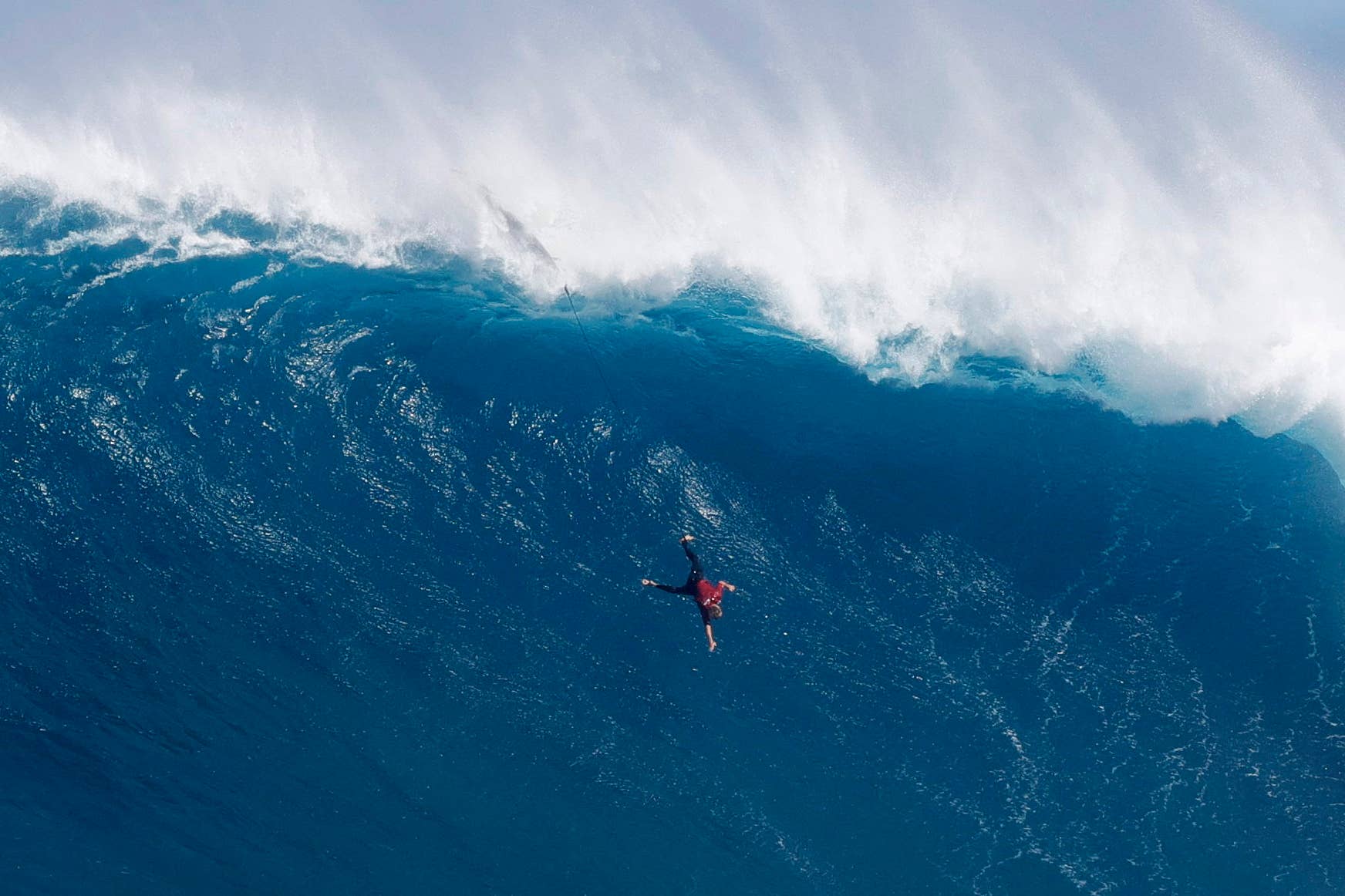
Wipeouts Can Feel Like Car Crashes
True. Your body actually absorbs G-Force akin to a car crash during a heavy wipeout – which can keep you under water for minutes. It’s why big wave surfers train for breath hold above all else as a safety precaution.
Waves Travel
False. It is swell that travels. When swell is formed at the center of a storm, they fan out across the ocean and are only interrupted by structures within the water. The energy is beneath the surface of the wave and ‘feels’ the bottom of the ocean when it’s closer to shore, eventually breaking as it hits shallower water. So it is not the wave itself that moves, but the transference of energy. Imagine rolling a ball under a carpet – that’s the same principle with swell and waves. The ocean doesn’t move, the energy is transferred under it.
You Can Smell Waves Coming
True – to an extent. As major swells start arriving to land, they are accompanied by low pressure (for the most part). These pressure changes and the shift in the ocean can stir up sea life or create a ‘fresh’ smell across the ocean. Hard one to describe, but it’s just things getting stirred up before on an onslaught of waves. Or if you’re Bretty Barley, he just stands outside and when the wind blows a certain direction between houses, he knows there will be waves. That’s a mix of feel and experience right there.
Bigger Fins Give More Speed
False. It was actually Joel Parkinson who said the reason he believed his surfing improved rapidly when he was younger was because he surfed larger fins. Bigger fins actually provide more pivot for turns, with more surface area for water to flush around. Also, the size fins you choose is determined on your weight – but you already know this considering it’s on the packaging of every new set of fins.
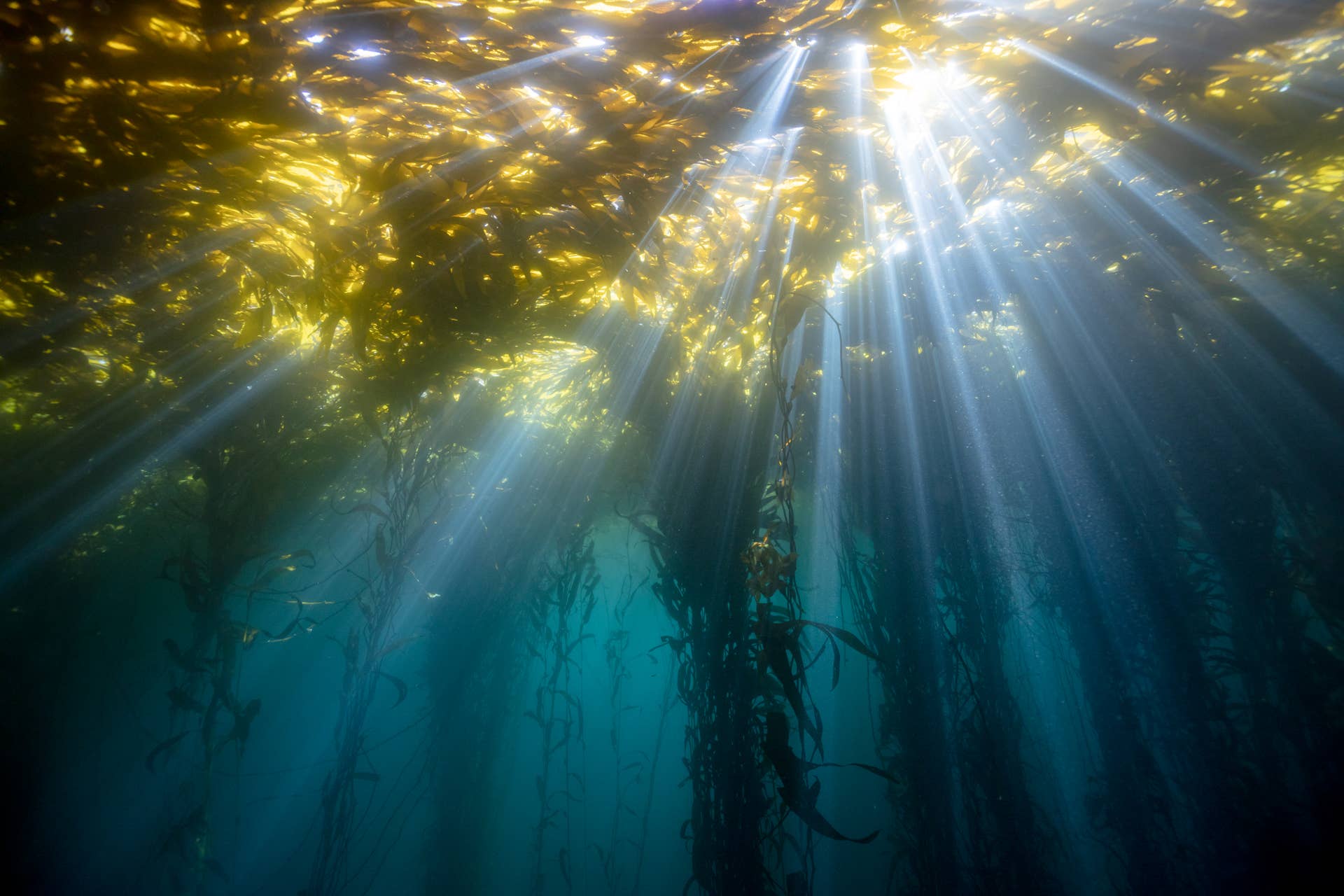
Kelp Improves Surf Breaks
True. Kelp can act as a natural filter that reduces choppy waves – keeping the surf looking glassy. Giant kelp forests can help groom conditions and nearshore kelp beds can actually help disrupt onshore wind patterns as the wave breaks. That comes with its own Catch-22, as densely packed kelp can also tangle surfers up or act like some speed bumps on the wave faces.
Rip Currents Pull You Under
False. Rip currents or tides pull you out to sea and can be your best friend when wanting to punch through a fairly spicy beachbreak. That’s why when trying to escape one, you paddle parallel to the beach, not towards it.
Bigger Swells Moves Faster
False. Wave speed in deep water is actually down to wave period, not the size. For example, a smaller long-period swell can outrun a bigger short-period swell when moving across the ocean.
Related: Norway’s Endless Day: Surfing Under the Midnight Sun