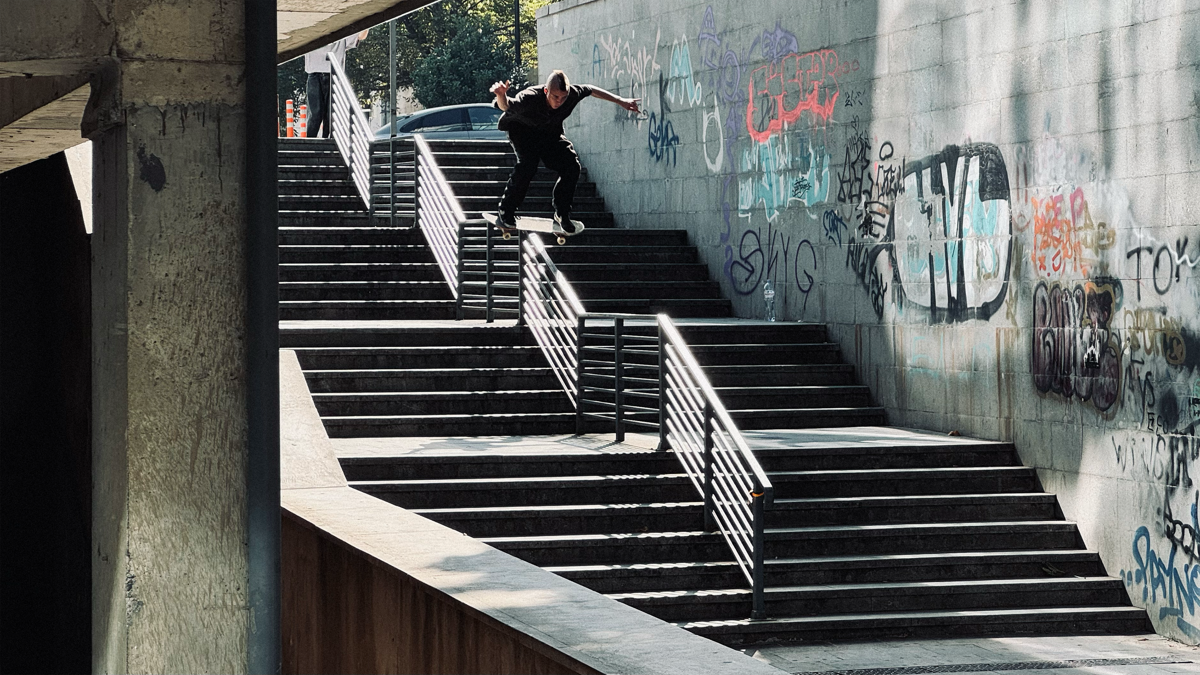
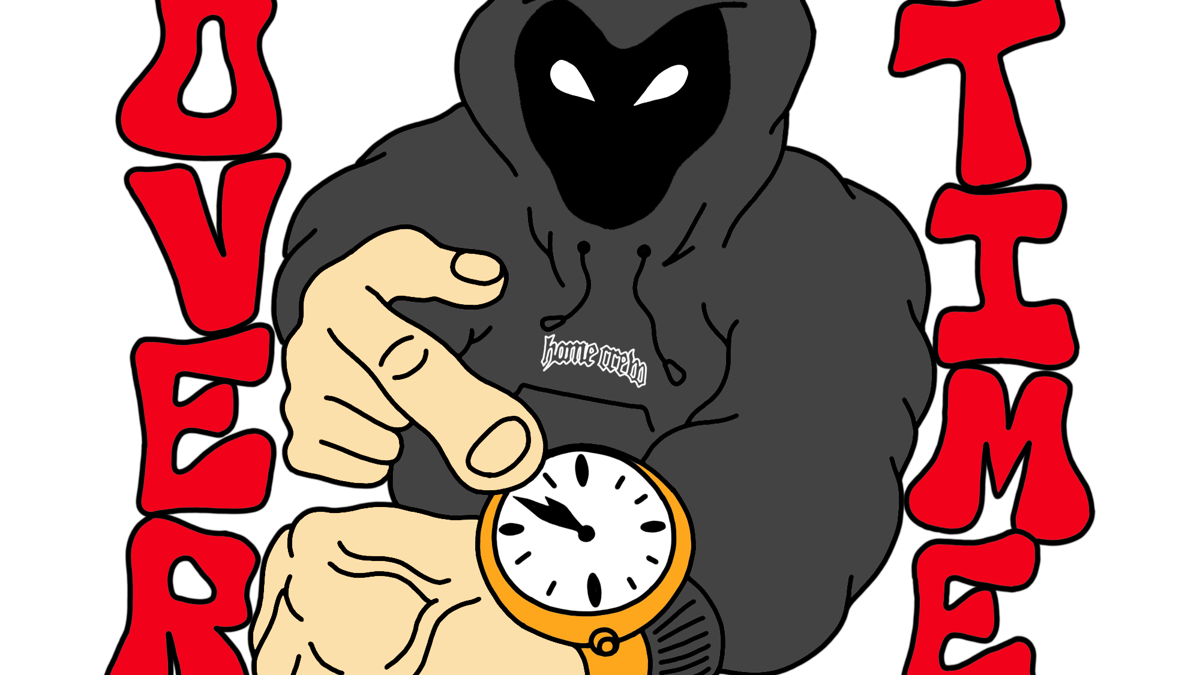
My name is Alexey Kulagin. I was born and still live in Nizhny Novgorod, Russia, and I’m the founder and filmer of Home Crew. This year marks 15 years of our crew, and to celebrate, we’re releasing our new skate video, Overtime.
The video was filmed throughout the summer of 2025 in Nizhny Novgorod, Moscow and Cheboksary, as well as during skate trip to Tbilisi, Georgia, and Yerevan, Armenia.
It features Vladimir Mindrin, Yakov Kan, Grisha Garanin, Zahar Belolugov, Evgeniy Maksimov, Alexander Bizyukov, Stepan Rogozhin, Danil Dubrovsky, Petya Shel, Sasha Naumik, Matvey Milutin, Gleb Streltsov, Ivan Mikhin and Nikita Shvarnukov.

How Home Crew started
I started skating in 2010 when I was 14. A guy I knew from school told me he had a skateboard. I had never even stood on one before, but the next day I was already asking my parents to buy me one.
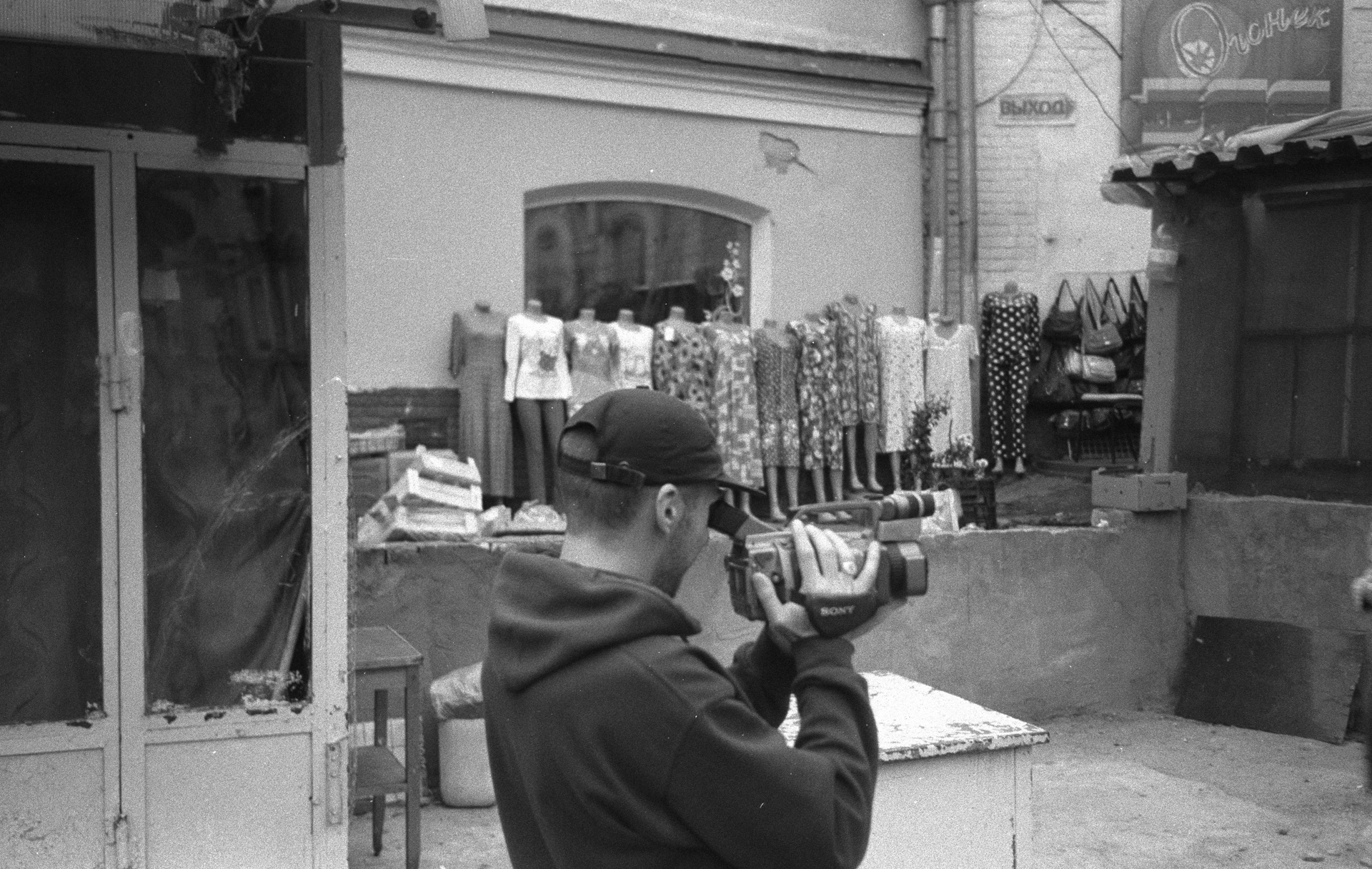
By 2011, my friends and I had started trying to film our “tricks” on a little point-and-shoot digital camera that belonged to my friend Vanya’s mother. There were a lot of skaters in Nizhny Novgorod at the time. We were constantly meeting new people in the streets and at skateparks, and some of them had their own crews.
At some point we realized we should have our own, so we called it Home Crew. I don’t really remember what attracted us to that name back then, but after all these years I think it actually describes what we’ve always been trying to build. Home Crew has never had a strict roster of who is in and who isn’t. It’s always been more about the people who hang out together, skate together, go to hardcore shows, travel and generally share the same space and culture.
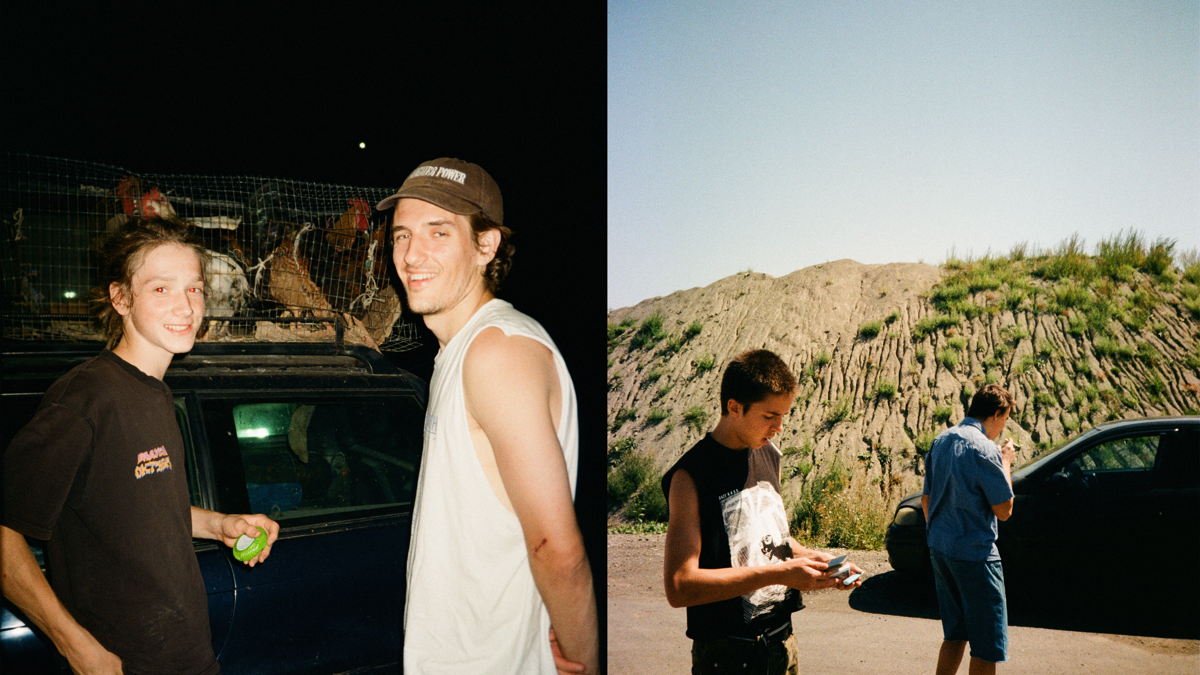
The same goes for our videos. I’ve never really made traditional “parts” where one skater gets their own section and is separated from everyone else. In my videos, everyone is mixed together. There’s no hierarchy — it’s about the crew as a whole.
Back then, local skaters were constantly making their own parts and skate videos. There was a healthy competition between everyone to make something better than the last video, and I think that pushed both the quality and the amount of skateboarding coming out of the scene.
From Skating to Filming
I actually stopped skating pretty quickly after breaking my leg in 2012. I spent the whole summer filming tricks while walking around on crutches, and eventually I realized that I was more interested in filming other people than skating myself. That’s basically how I became a filmer.
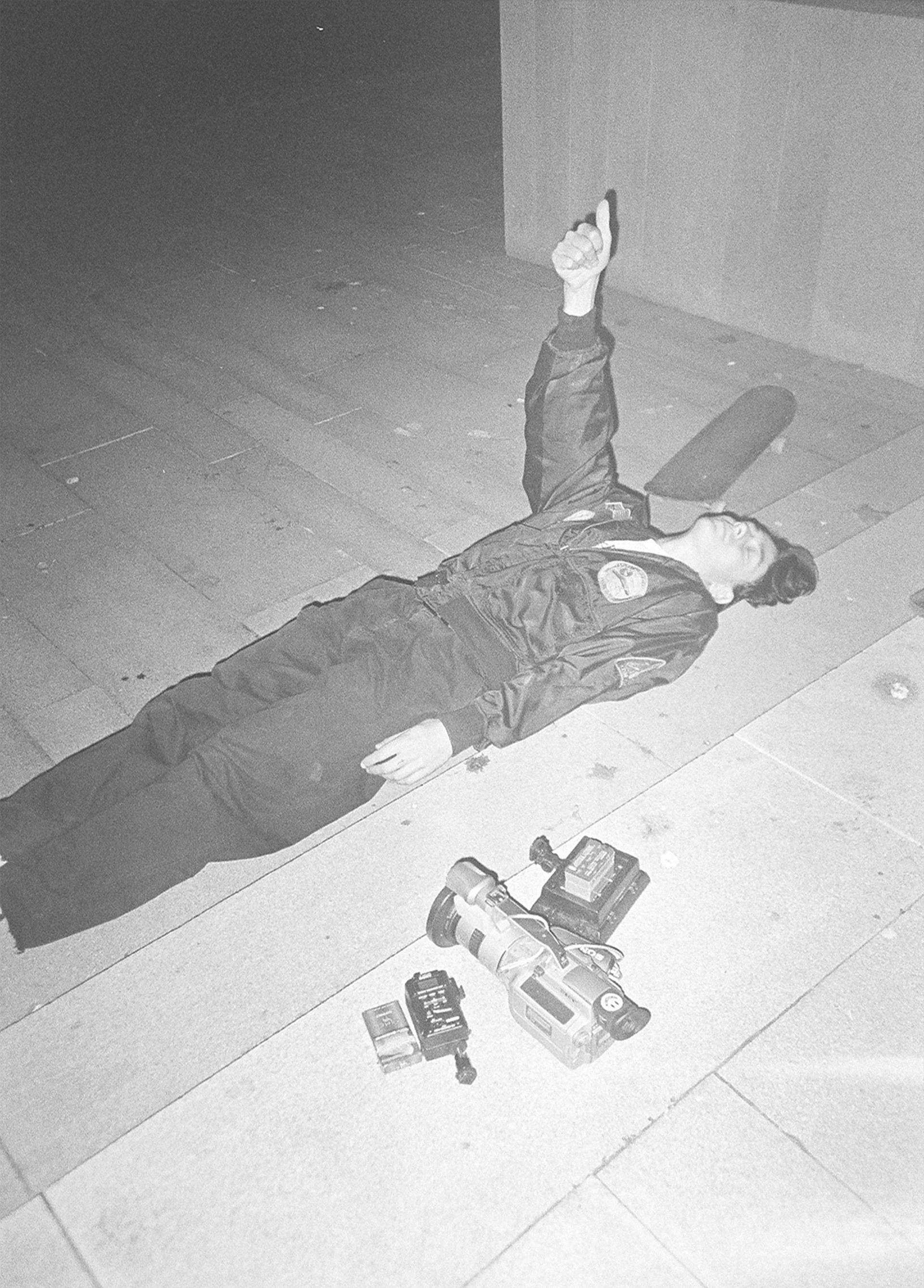
Over the years I went through a bunch of different cameras, until I decided to try a VX1000 in 2018. I’ve been shooting on one ever since, and I don’t really want to switch to anything else. There’s just nothing that looks like it.
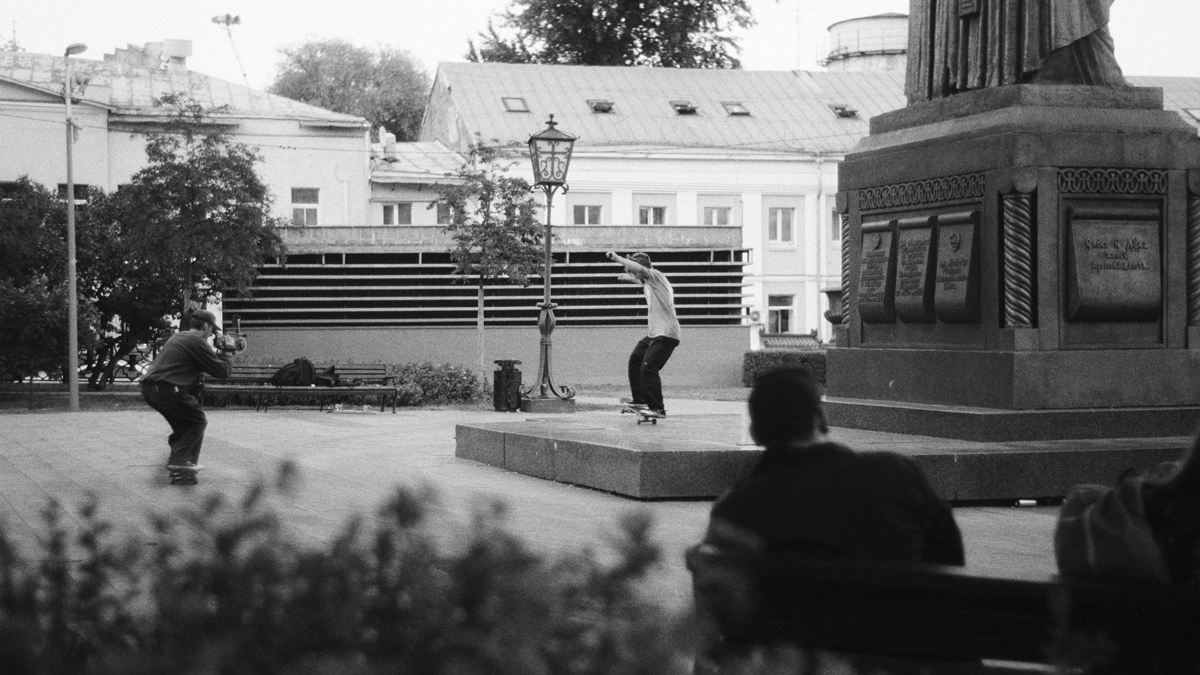
What I love most about skateboarding is its cultural side. I’m especially interested in street skating and in making videos that capture the atmosphere around it. To me, an independent skate video should show more than just tricks. The falls, the weird situations, the people around you, the arguments with people who don’t want you skating a spot — all of those things are part of what street skating actually feels like.
Skateboarding and Hardcore
From the very beginning punk/hardcore/metal have been closely connected to our local skate crew. When we started skating, we were also discovering a lot of new music, partly through watching skate videos. Around that time, the LVO punk crew from Saint Petersburg was still very active and at its peak. I was looking at what they were doing and thinking: Why don’t we have something like that around skateboarding here?
In 2013, some guys from a local thrash metal band called Exaloud, who were already our friends from the neighborhood, agreed to play at our first skate video premiere. We booked a late-night rehearsal slot at their rehearsal space. The owner had no idea we were planning to turn it into a show — he thought it was just a regular rehearsal, and he definitely wouldn’t have let us do a concert there. Once he left, all our friends and everyone from the local scene showed up, we screened our skate video, and Exaloud played after it. It was basically a DIY show that we weren’t supposed to be having there.
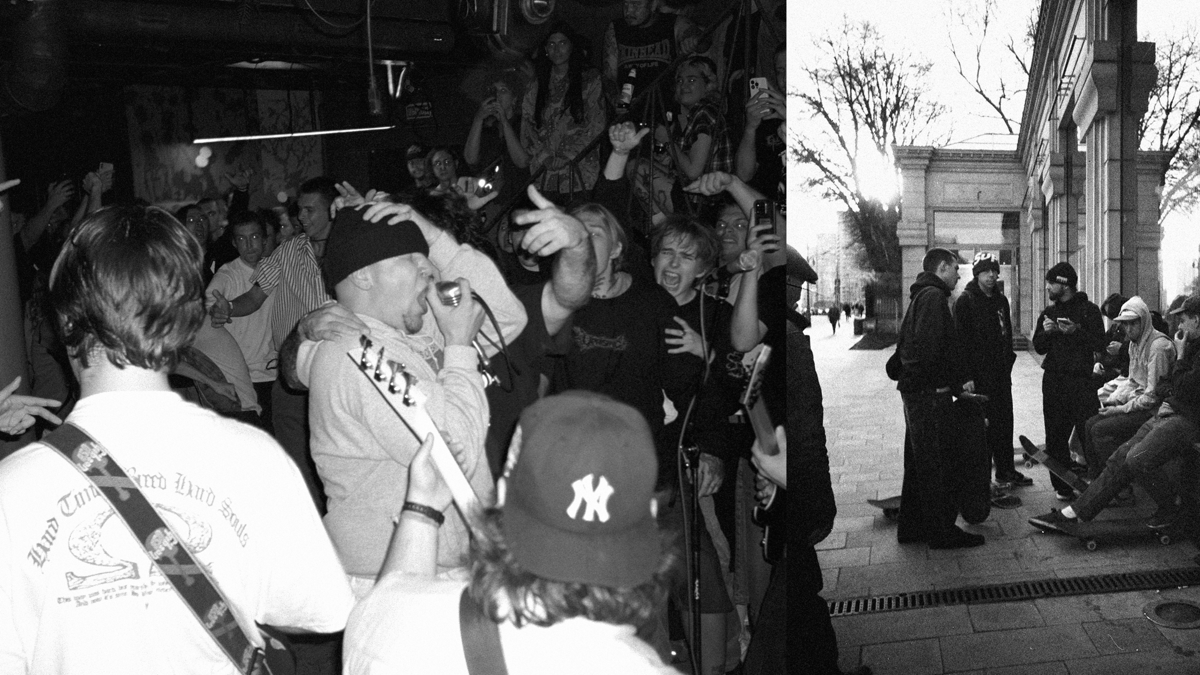
After that, I started inviting local bands to all of our offline premieres. I also brought bands from other cities that I thought people in Nizhny Novgorod should hear — bands like Solntse i Stal’, Rats Eyes, Enslave and Ugroza Primerom.
The Overtime premiere continued that tradition. Enslave came from Kazan to play, our hometown band Uprising played their last show, and local hardcore bands Slumdogs and Deck also performed.
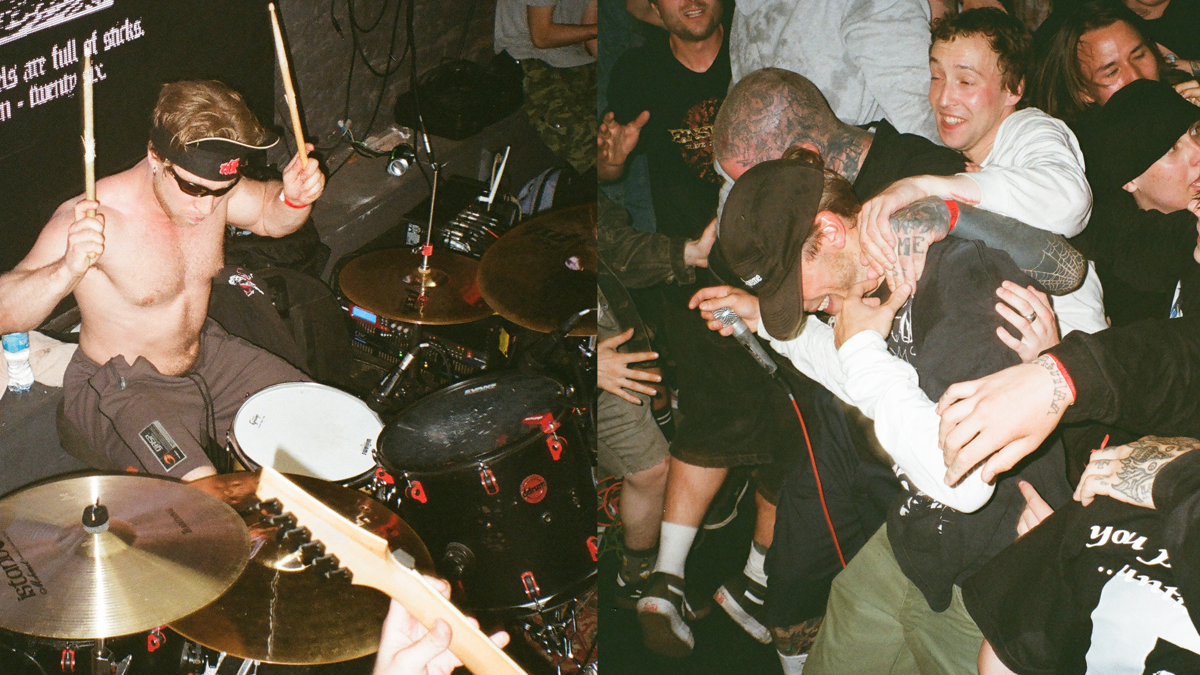
Over the years, bringing all these different things together — skateboarding, music, videos and events — has created a very recognizable community and identity around us. I really like seeing skaters getting closer to live music and discovering bands through the scene around them, rather than just following whatever is popular at the moment. It feels important to me that skateboarding still has a place in the hardcore community here, and that the connection between skating and live music is still alive. We’ve even held several skate contests as part of our events, building custom spots specifically for each one.
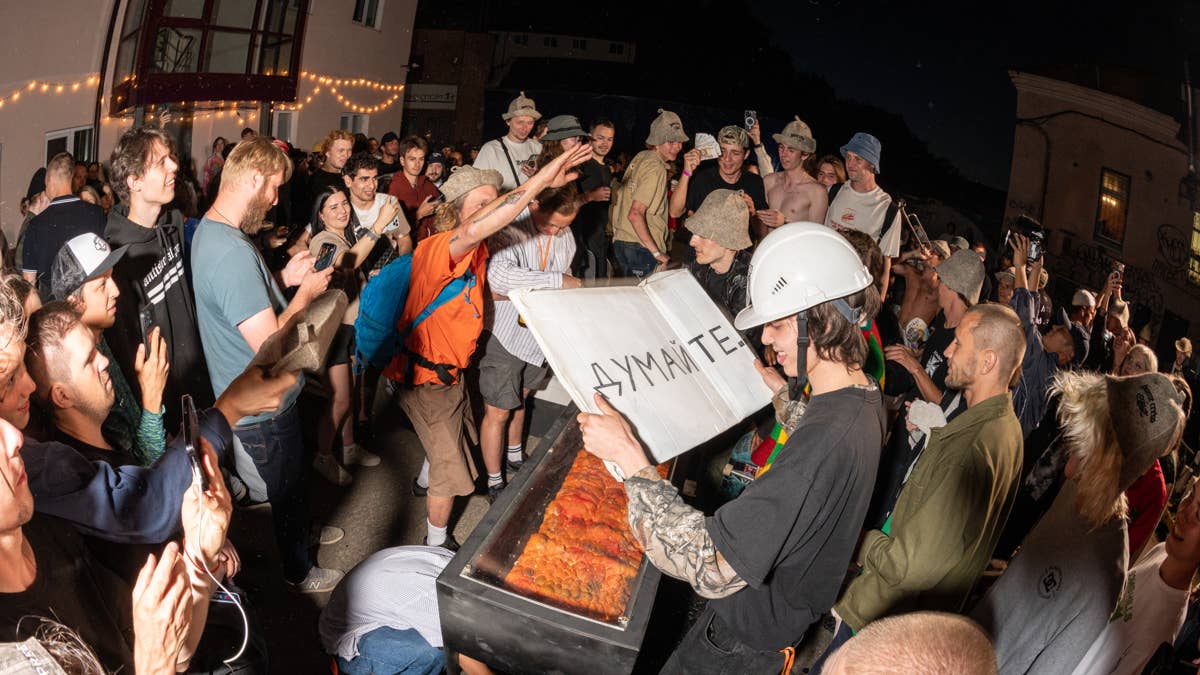
The Changing Skate Scene in Nizhny Novgorod
When we started skating, there were maybe three or four skateparks in the city. They were all wooden ramps built on metal frames. There were also a few DIY projects, including some indoor spots that have since closed.
Over the last few years, a lot of concrete skateparks have appeared around the city and we’ve been directly involved in building some of them and are still involved in the local scene and its development.
At first, we thought that once we had proper concrete skateparks, more people would start skating and skateboarding as a whole would grow. And it did — there are definitely more skaters in the city now. What’s interesting is that these days around 90 percent of the people using the skateparks are scooter riders.
I think part of the reason might be that scooters have a much lower barrier to entry than skateboarding. You can get on one and start doing things pretty quickly, which fits well with the idea of getting a result right away. With skateboarding, it takes much longer just to get comfortable on the board, let alone start doing tricks.
But I feel like something else has changed too. When we started skating, a big part of the culture was getting a group of friends together, going out into the streets, filming each other and pushing each other to make better videos. Now it feels like there’s less interest in street skating and filming, and more focus on getting a trick for Instagram and seeing how many likes it gets. A lot of that social side of skateboarding — the feeling of going out together and making something as a crew — can get lost in that.
That’s one of the reasons I’m still so interested in street skating and skate videos. The streets are where I feel the cultural side of skateboarding is most alive.
Why we made Overtime
The main goal of making this video was to show that skateboarding exists outside the places that usually get the attention. There are scenes all over Russia and in other parts of the world that most people never hear about. Nizhny Novgorod is not a city that gets much international skate coverage, but people here have been skating, filming, organizing events, building skateparks and creating their own culture for many years.
I hope someone watching Overtime — especially a younger skater — gets inspired to start their own crew, make their own video and try to make something better than this one. Or maybe they’ll simply want to put their board under their feet and go skate the streets. For me, that would already be enough.
Photos by:
Alexey Kulagin
Vladimir Mindrin
Yakov Kan
Yana Sergienko
Sasha Kotov