
The lives of professional athletes are portrayed as so glamorous it’s rare that we get a look behind the curtain of what it’s really like to be one of the world’s best. Spoiler alert, it’s not all champagne and multi-million dollar deals.
What’s even more overlooked is the road to get there and how young athletes have more to deal with than ever before. Talent and skill have become common, perseverance has become rare. No surprise when you think about all the pressure that comes, both internally and externally, to get results not just on the field — but on the ‘gram, too. Then there’s school. Personal life. Family expectations. Financial realities. Injuries and, most of all, mental health. The latter being the silent killer.
I caught up with Dr. Christian Glasgow, Sports/Clinical Psychologist, PhD, LMFT, to learn more about what it takes to be a pro surfer, or athlete in general, in a day and age where instant gratification is rampant and burnout is common.
On What Families Don’t See Coming
When a young athlete says they want to go pro what’s actually being asked of them psychologically that most families don’t see coming?
Dr. Christian Glasgow: The first thing that comes to mind is commitment. Young athletes today have such an advantage in terms of equipment and access. We have seen a rapid increase in skillsets, and these young athletes are doing maneuvers that only adults could do a few years ago. The progression happens so quickly, and everyone becomes comfortable when things are going well.
Just because they can perform like an adult, families think this is going to translate into becoming a successful professional — and it simply does not. A young athlete can have all the talent in the world, but if they don’t put in the work and do more than what is expected of them, they won’t make it. Asking an elementary kid, middle schooler, or high schooler to have significant structure and discipline “like the pros” is significantly challenging, because they’re just kids and still developing physically and mentally. It’s such a tight rope in finding the balance between still being a kid and being on a schedule to mimic professional-athlete-type training. Recent studies by my colleague Dr. Ron Stolberg at Alliant University have revealed a very interesting finding: the younger the athlete competing at the highest level in a sport, the more significant the drop in satisfaction as they get into their later teens.
It’s all about development, and some are quicker than others, but eventually most kids catch up to those early bloomers. Everyone is on a different timeline, which I think gets lost — especially in this day and age of instant gratification.
Getting the support helps and can give a boost to confidence — but some individuals can put more pressure on themselves. Once again, we’re dealing with young kids. I have been telling parents and young athletes for years: you are developing as an athlete and also as a human being. Young kids get confidence from doing well, and it’s all results-based, which can be detrimental because they are rooted in this development/growth mindset. It’s the same with kids who don’t have support and then they question if they are “good enough” or not. I have the same response: it’s all about development, and some young athletes are quicker than others, but eventually most kids catch up to those early bloomers. Everyone is on a different timeline, which I think gets lost — especially in this day and age of instant gratification.
Commitment, consistency, patience, and discipline are the keys to the developmental process, and they set individuals up for success. Developing good habits as an athlete can easily translate to life. That’s why “going for it” can be a blessing in disguise. There are many stories in sports about athletes who come from very little but are driven — they have that grit, and they tend to be more mentally tough. That happens a lot because personal growth and resiliency do not happen when things are going well. If becoming a professional athlete was easy, everyone would be able to do it. On the other hand, if someone doesn’t make it, they can be proud of their effort. They went for it. They will never have to regret not trying.
On the Line Between Support and Pressure
Where’s the line between supporting a kid’s dreams and ambition, and becoming the source of the pressure that breaks them?
Dr. Christian Glasgow: This is one of the oldest tales in all of sports, and it unfortunately still happens today. Parents have to have clear boundaries and let their child-athlete lead the way. I have witnessed it professionally several times, and it ruins relationships. Money can be involved, which exacerbates things terribly. Honestly, it’s very sad.
I am a dad of three boys, and I remind parents that the hardest thing to do is watch your child struggle and allow it to happen. It’s the only way they can learn how to solve problems on their own. And if your child needs something, you’d want your child to come to you. The line is this, and it cannot be crossed: the athlete has to want it more than the parent. I have professional athletes in many different sports — even people in entertainment — who wish they had a better relationship with their parents, and sometimes it’s salvageable and sometimes not. That is really the sadness I am referring to: the loss of the relationship. Parents need to know their role and come from a place of care and support. That alone can save a relationship.
New study shows: the younger the athlete competing at the highest level in a sport, the more significant the drop in satisfaction as they get into their later teens.
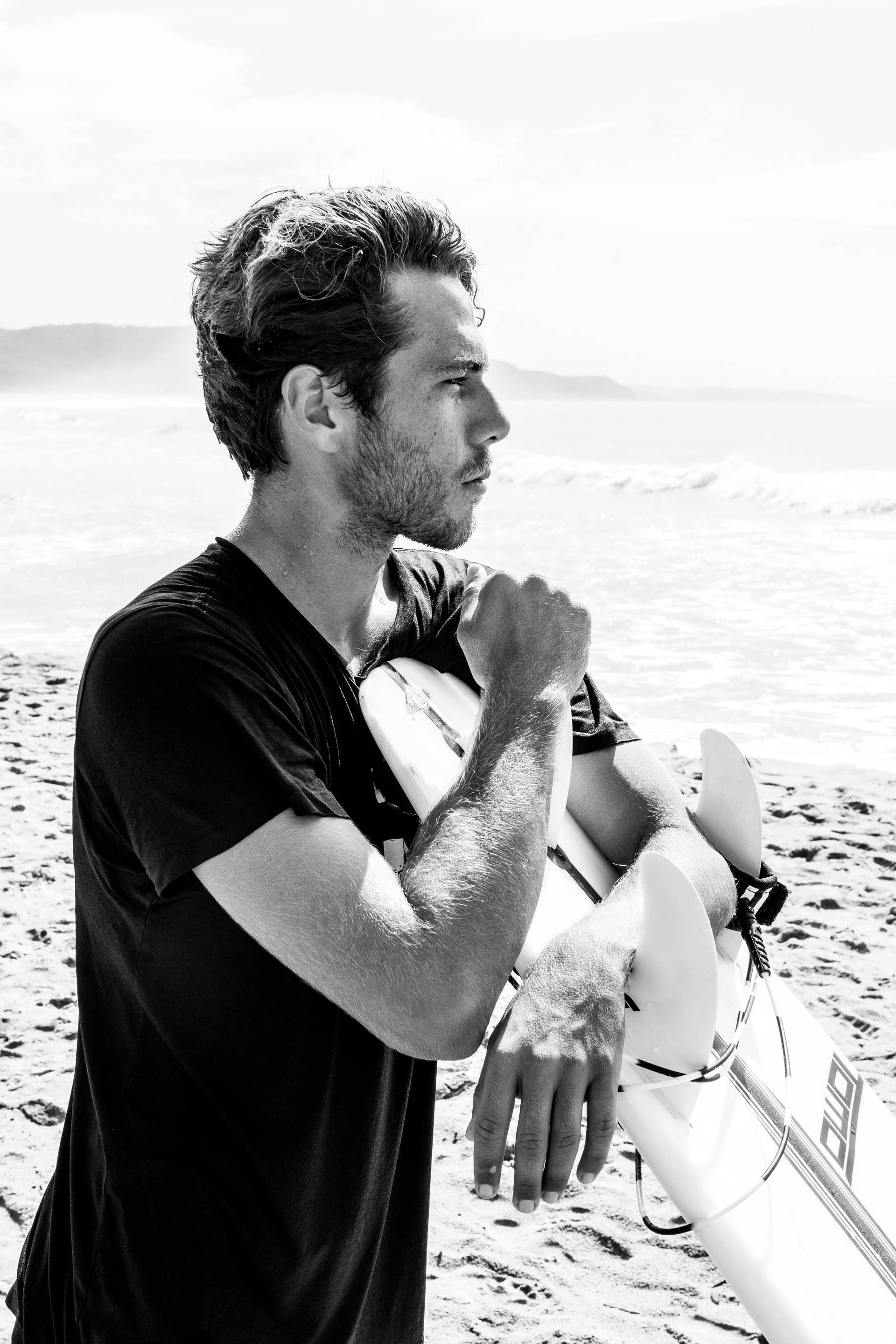
Barra de la Cruz
Chris Dodds
On Burnout vs. Longevity
Psychologically speaking, what separates the athletes who burn out from the ones who have long, healthy careers?
Dr. Christian Glasgow: There are so many variables that contribute to this that I’ll give a more generalized response. It really comes down to developing good habits at a young age — and not forgetting to have fun. Some sports psychologists suggest getting rid of everything in an athlete’s life and just focusing on the sport to minimize distractions, which doesn’t work for everyone. Being able to have fun outside of sport, developing a good, sound social peer group, having healthy familial relationships — this answer seems so obvious, but at the professional level you are under a microscope, and that has become even more intense with social media. Look at the comments for a team or an individual that has lost a big event. People are just brutal, because there are no consequences for making outlandish statements. Once again, I’m big on development and also establishing a solid support system. The healthier the habits, the healthier the support, the happier the athlete. It has been proven through research that happy athletes perform better and deal with retirement much better compared to others.
Related: “What I’m Doing Now Feels Endless:” John John Florence Opens Up About Future Plans
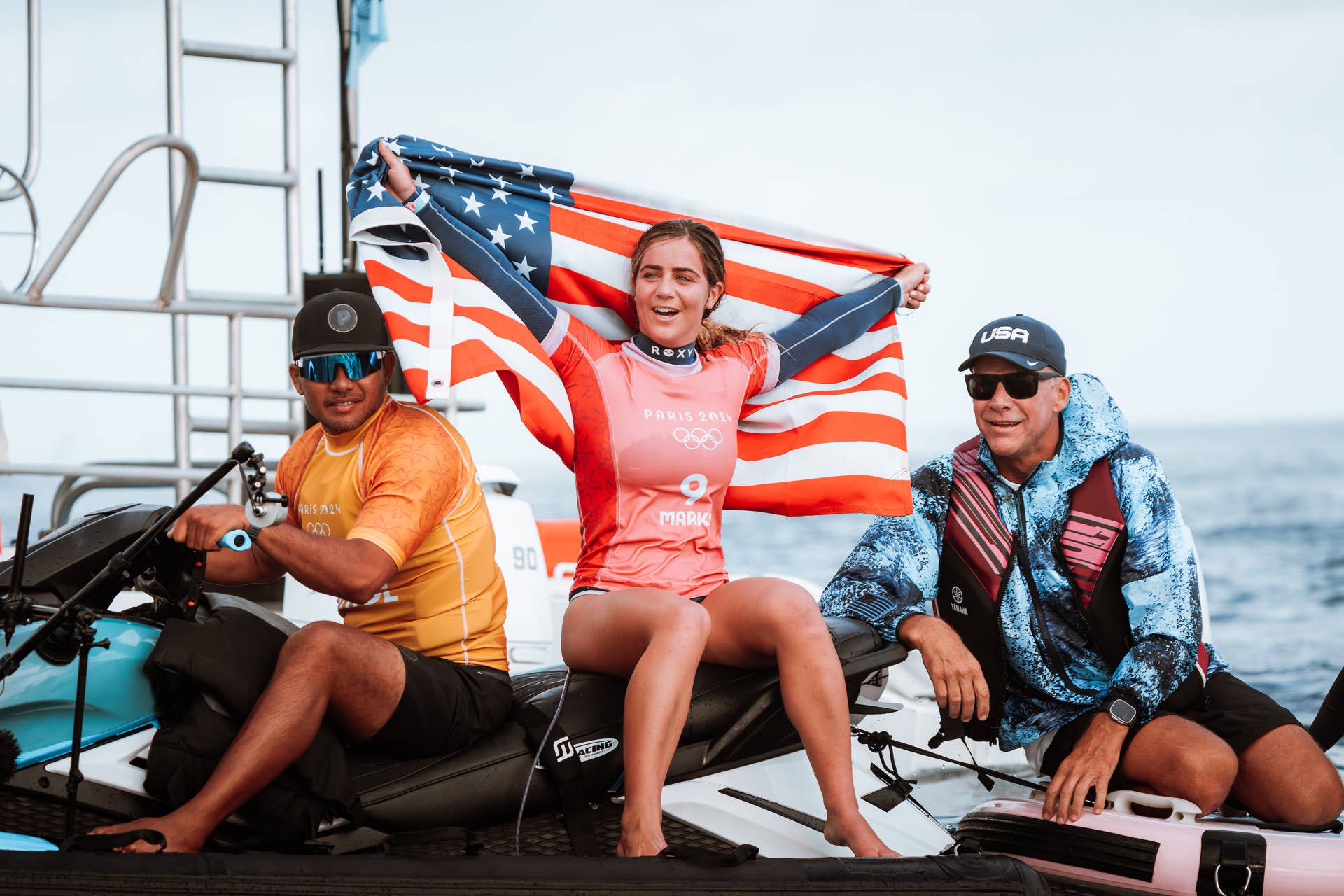
Photo: ISA/Juani Gayol
On the Questions Every Athlete Should Be Asking Themselves
If an athlete or parent came to you today — with a mixed record of achievements and talent, and starting to feel the pressure — asking whether they should keep going for it, what questions would you actually want them asking themselves instead?
Dr. Christian Glasgow: I would want them to ask themselves:
- Who is driving this more — the parent/guardian or the athlete?
- What is the goal of this pursuit?
- What is the backup plan if I get injured, or don’t make it?
- What is the worst that can happen if I don’t make it?
- Am I willing to make changes to improve myself?
On a Simple Protocol for Checking In
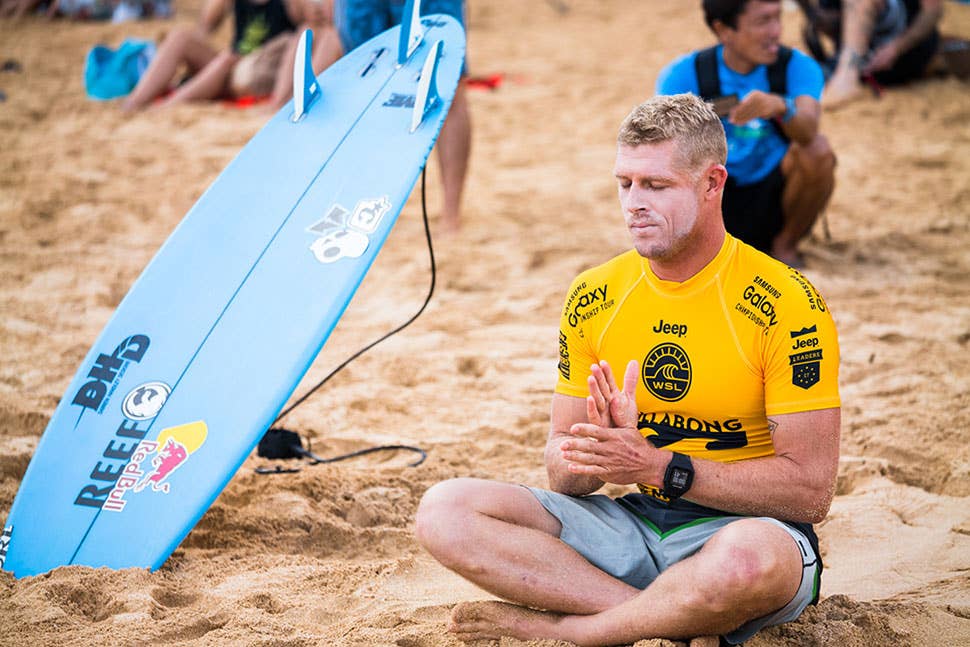
Ryan “Chachi” Craig
Is there a simple protocol they can use to check in with themselves — to see if this path is serving them, or only creating more difficulty?
Dr. Christian Glasgow: In psychology there is something called goal-setting theory. I ask athletes to set short-term goals as well as long-term goals — easy to use every three months, as “temporal parts” broken into four distinct dates. An individual can see if they are making progress on their short-term goals; if they are, they have evidence that they are moving toward their long-term goals. This especially matters for kids these days, when a year seems like an eternity. Once progress is tangible, it can be a very powerful catalyst to keep moving forward.
On How Surfing Compares to Mainstream Sports
Compare this to mainstream sports like basketball, soccer, and football, where going pro is still very hard — but where there’s a much larger industry to pursue if they’re truly passionate.
Dr. Christian Glasgow: There are more opportunities in bigger, more mainstream sports. However, if we’re looking through a lens of development, I really emphasize building “good habits” and work ethic. Those are transferable outside of sport, and can be a valuable asset in normal life. Certain professions prefer hiring former athletes, as well as military personnel, because of several factors — all related to accountability and communication. In other words: great habits that have been developed over time.
Related: How a PhD, a Brother, and a Big Risk Created Puerto Rico’s Most Powerful Surf Program