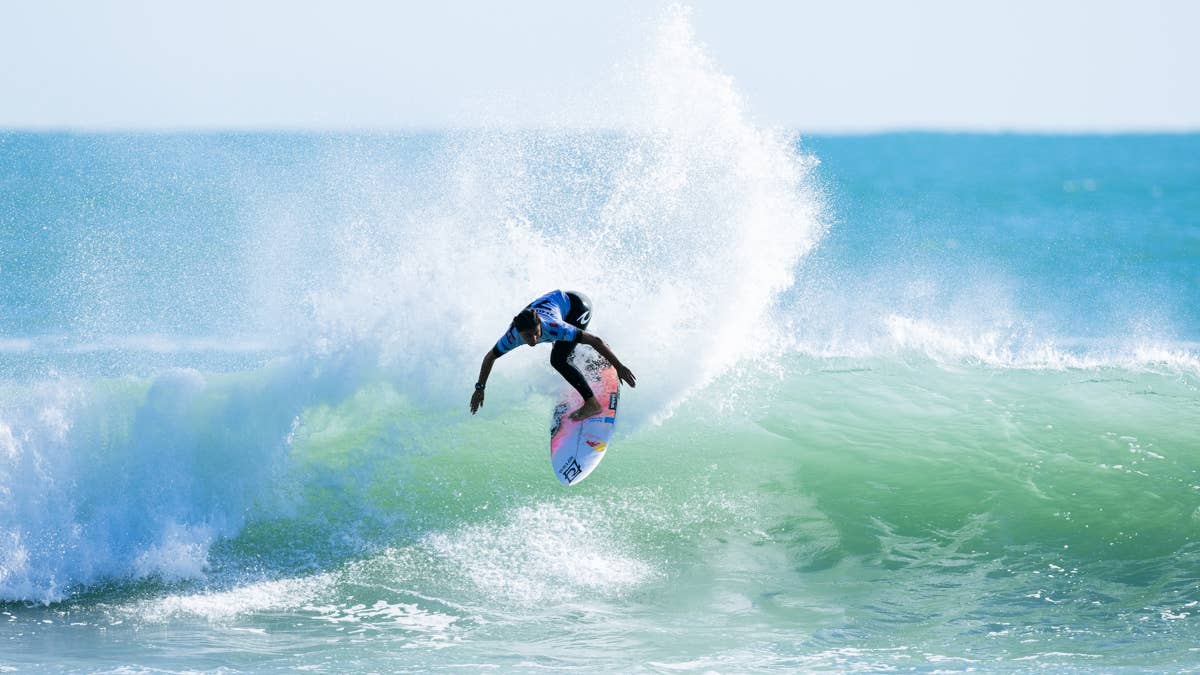
Women’s surfing has received a lot of hype in recent years; it’s undeniable. The source of the hype has been the young generation of women who have burst onto the scene as teenagers and taken pro surfing to the next level. The Caity Simmers and Erin Brooks of this world have changed the game. Every year there is a new, younger name pushing the limit, releasing clips and taking names in competition that has captured the attention of the surfing world globally – people like Tya Zebrowski, who became the youngest person ever to qualify for the Championship Tour after she won the Challenger Series at 14 years of age in 2025.
But then came 2026. With the announcements of the return of the greatest of all time, Stephanie Gilmore, and momentarily retired five-time World Champion and Olympic gold medallist Carissa Moore, the questions bounced around: “How will they hold up against this new generation?” Many answered that question with some doubt – the new generation were too good; they had changed surfing a lot in the last two years. Add to the mix French phenom Zebrowski, who many predicted would arrive on tour and dominate, and it seemed like the clash of generations wouldn’t be so much of a clash and more of the young taking their mantle from the old.
After four events, the intergenerational confluence has gone somewhere more or less unexpected. What wasn’t accounted for by the pundits was the ability of surfers to lift at any age. Being a prodigy is no guarantee of competitive success. Often, in the hype around the newcomers, there is a momentary overlooking of the depth of talent that exists on the women’s tour.
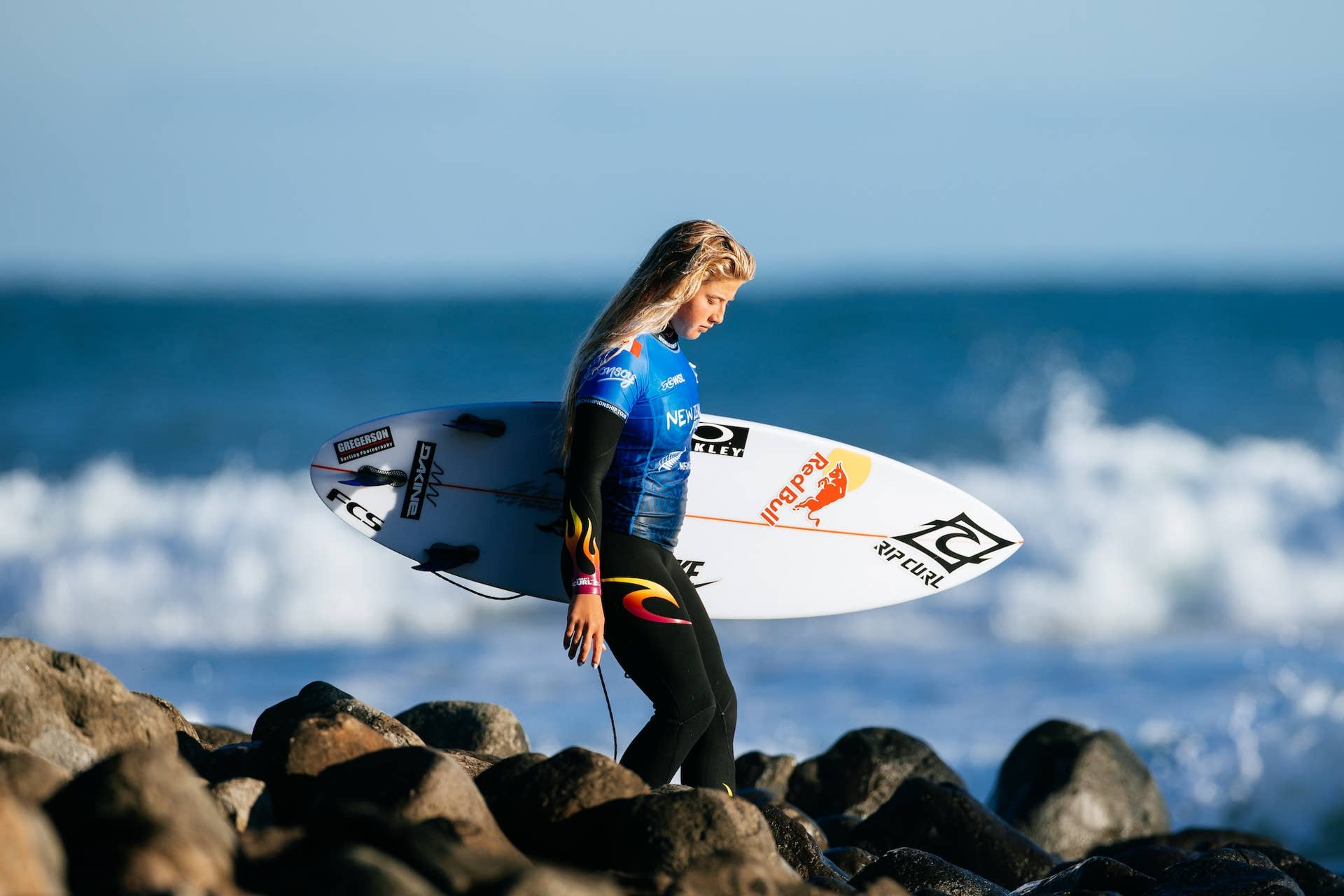
Ed Sloane/World Surf League
The new guard did something incredible in the last few years – they pushed the old guard into new performance territory and now appear to be paying the price. Zebrowski is yet to progress out of Round 2. Brooks sits 15th on the rankings, and the last three events have been won by the veterans – Lakey Peterson in Margaret River, Gilmore on the Gold Coast, and Carissa Moore in New Zealand. It’s harder than ever to do what Steph Gilmore did in 2007: come on tour as a rookie and surf in ways never seen before, dominate. Especially when Steph Gilmore herself still stands in your way.
Related: What Does the WSL’s Maternity Wildcard Mean For Pro Surfing?
The first half of 2026 has felt like a momentary return to the 2010s, with Gilmore and Moore going blow for blow and Peterson appearing on the horizon with a searing forehand hack. These veterans with decades of experience are not about to hand over the reins without a fight. Hell, even Sally Fitzgibbons has made some heats as she figures out how to take her multiyear Challenger Series-winning form back into the CT arena.
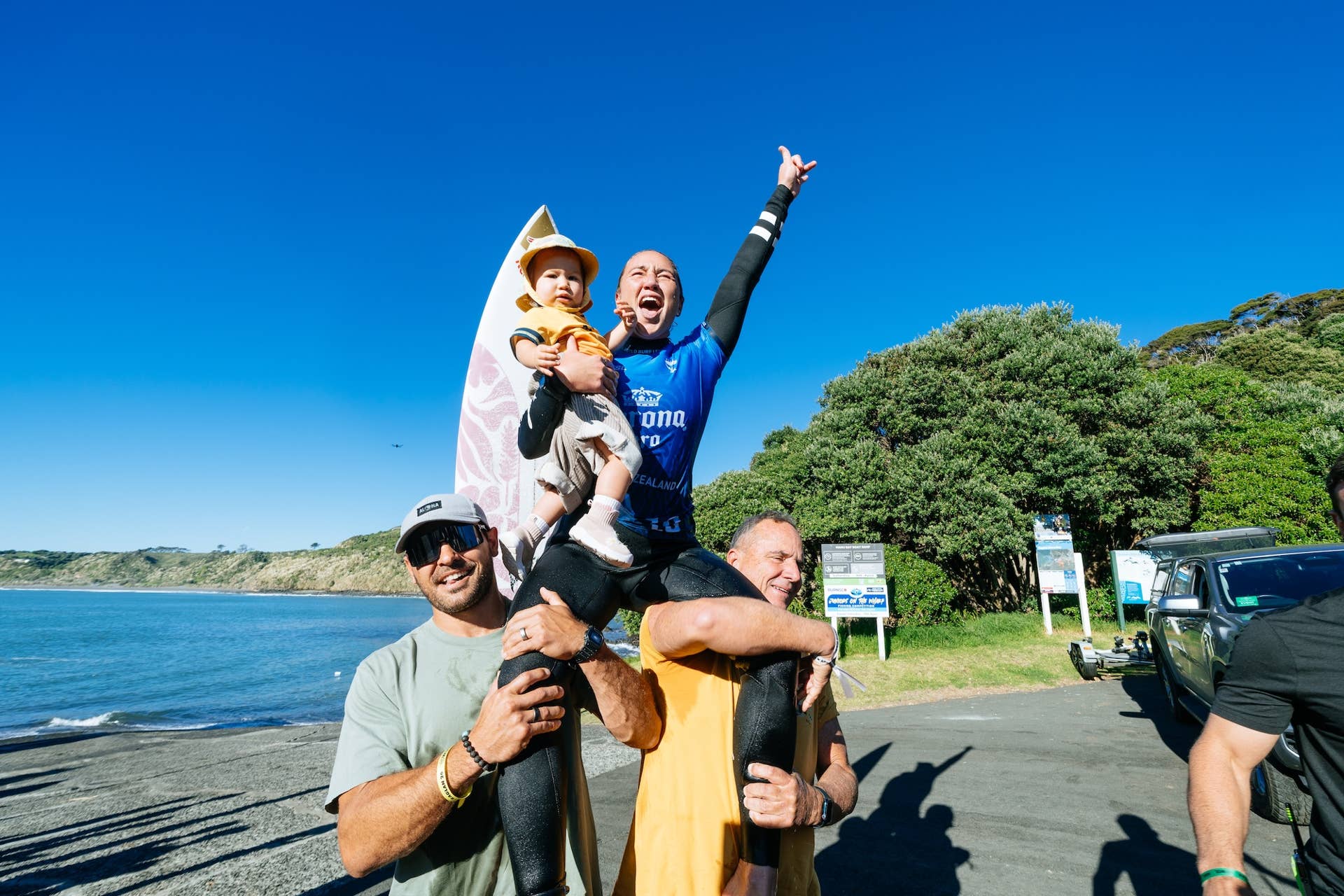
Rambo Estrada/World Surf League
The young guns have lifted the game; there is no doubt about it. They’ve forced the spotlight on women’s surfing with big personalities and even bigger turns. Women’s surfing has been irreversibly changed with the arrival of this new generation, but that doesn’t mean the vets can’t rise to the moment. Erin Brooks was born the same year Gilmore won her first World Title (2007), and Tya Zebrowski was born the same year Carissa Moore won her first (2011), which brings a beautiful dimension to the battle of the generations. All in all, it’s great for the sport and great for the fans, who have the opportunity to watch history being written in real time.
Related: Spruce and Balsa: The Secret Behind Rachael Tilly’s Record-Breaking Third World Title