Few pieces of equipment have transformed as much as the humble surfboard. Decade after decade, shapers and surfers all over the world have innovated and pushed the medium to places previously thought impossible.
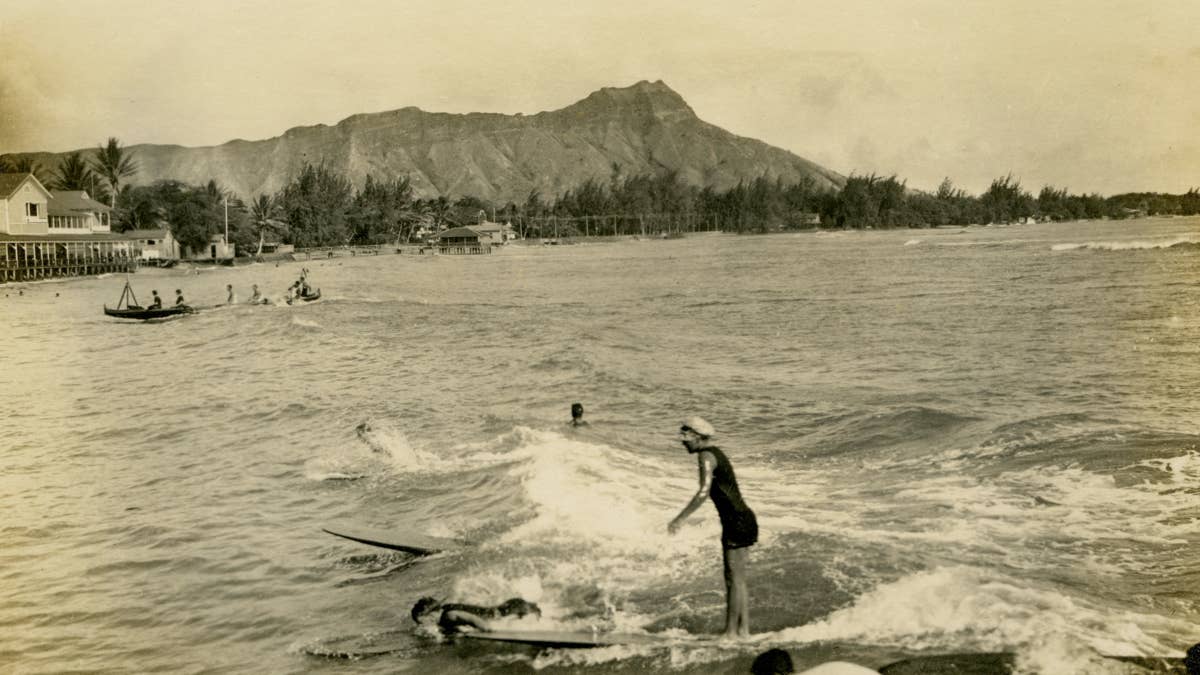
Ancient Polynesians have long been considered the original surfers – or he’e nalu as it was known in the native tongue. Back then, they would use timber to construct surfboards creating shapes known as olo and the alaia, the latter of which you probably still see around today. The olo was a beast – more than 16 feet in length and reserved for Hawaiian Royalty. The alaia was typical shorter and there was also a third shape called the kiko’o, which sat somewhere in between. Anyway, let’s take a look at the evolution of the surfboard, era by era.
Before 1900 – Where Surfing Began
The three shapes above formed the basis for surfing in Polyneisa. These were heavy boards and had no fins – which meant you needed a considerable understanding of how these things worked before paddling them out. Surfing was seen as more of a spiritual past-time back then, the origins of the first soul surfers. The exact date of the first surfboard being ridden is unknown but some records even date surfing back to ancient China. Either way, these sorts of boards out of Polynesia were the norm until the turn of the 20th Century.
1900-1930 – Wooden Boards Were Popularized
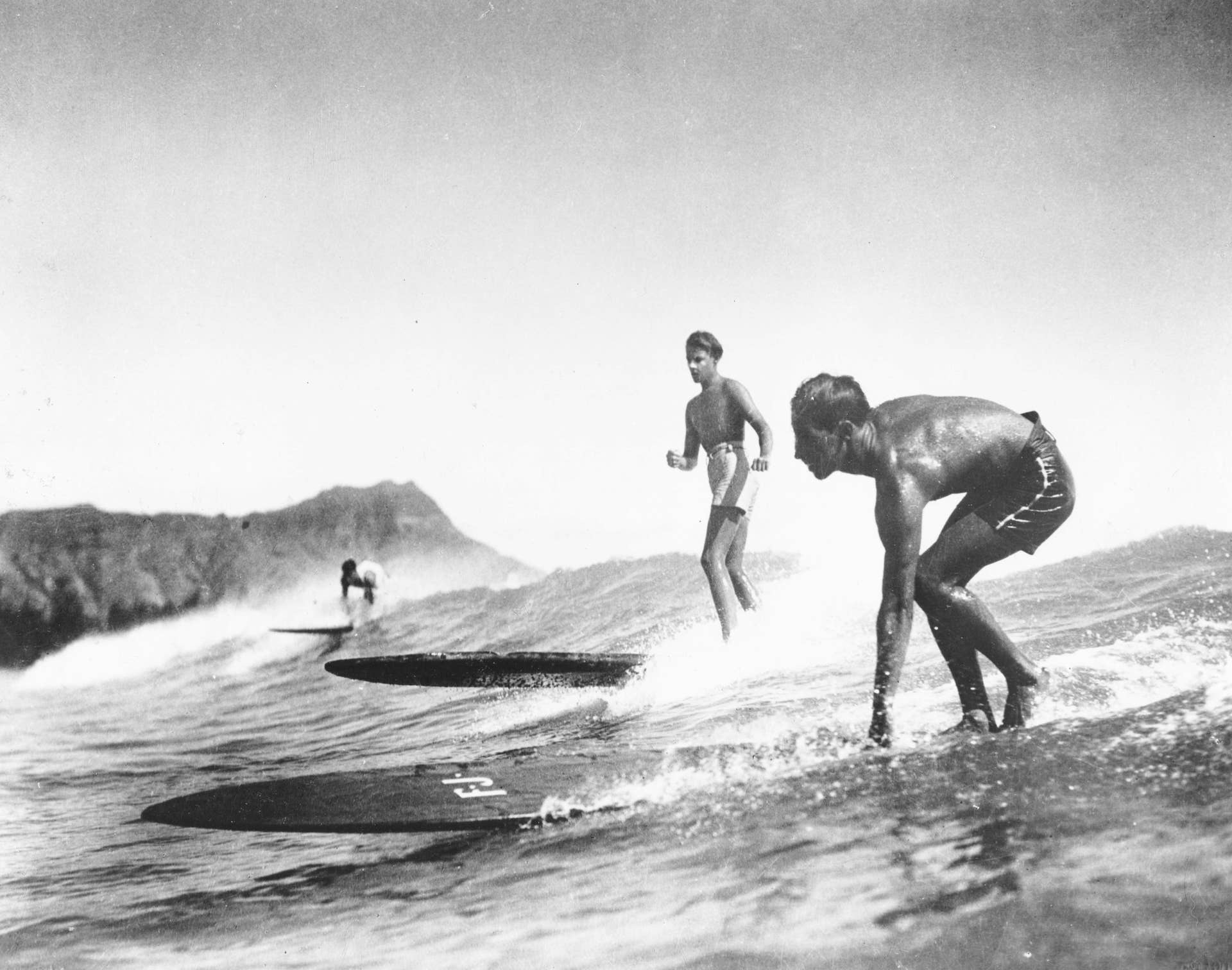
Enter Duke Kahanamoku, a Hawaiian surfer world-renowned who, of course, brought surfing to may parts of the world. Duke surfed heavy timber boards made out of redwood and ushered in a new era of what was thought possible on surfing waves. These boards were meticulously crafted and took a long time to shape. It was from here that experimentation came in, making the boards longer, shorter, wider, thicker and noting down how each version performed in various conditions. Surfing remained confined to pockets of the globe, seen in other places but only for a fleeting moment.
1930s-1940s – Enter The Hollow Boards
Tom Blake officialy revolutionized surfing between 1929 and 1931 by inventing the first hollow surfboard, which became known as a ‘cigar box’. This design essentially cut the weight of heavy surfboards in half. His design used an internal wooden frame with ribs and plywood decks which was inspired by airplane wing engineering (and much later, Futures Fins founders the Lobo bros would incorporate aerospace engineering into their new fin system…). These boards were still wooden, so they absorbed a bunch of water – and Tom invented a drain plug to let the moisture out. By 1935, Tom added a speedboat fin to the bottom of his board which dramatically changed how it performed in terms of changing direction. Tom’s inventions cannot be downplayed as to how important they were for surfing in general.

1950s – The Malibu Revolution
Once again, just a decade later, surfing underwent a defining moment. The Malibu-style longboard was unleashed to the masses, made of lighter balsa wood and fiberglass construction – shattering the industry and blowing surfing even further open. Polyurethane blanks were used as the center of the boards, replacing Tom’s hollow designs — and polyester resin was added for toughness and to keep everything water tight. Shaping a surfboard become easier, with experimentation easier than ever before. Fins placements and templates were also toyed with, allowing for some serious expression while surfing. It was from here that surf culture went into the stratosphere, especially for Australia and California. The rest of the world would begin to play catch up.
Related: How To Surf a Twin Fin With Josh Kerr
1960-1969 – Shortboards Enter The Scene
All that experimentation in the 50s led to the inevitable question: ‘what if we made the boards shorter?’ Surfboards began dropping from above 10 feet long down to seven feet and sometimes even six, unheard of! What was noted was these shorter boards allowed for tighter turns and a new way for expression, especially when it came to critical and more performance-orientated waves. This period in surfing helped pave the way for the fundamentals of modern shaping. Surfers like George Greenough, from California, was considered the ultimate spark for the revolution, surfing incredibly short-for-the-time knee boards. This movement was transitioned into stand-up surfing by Bob McTavish, who took George’s philosophy and poured it into shorter board designs – where he was able to, quite literally, hack feet off a traditional longboard.
1970-1979 – Birth Of The Twin Fin
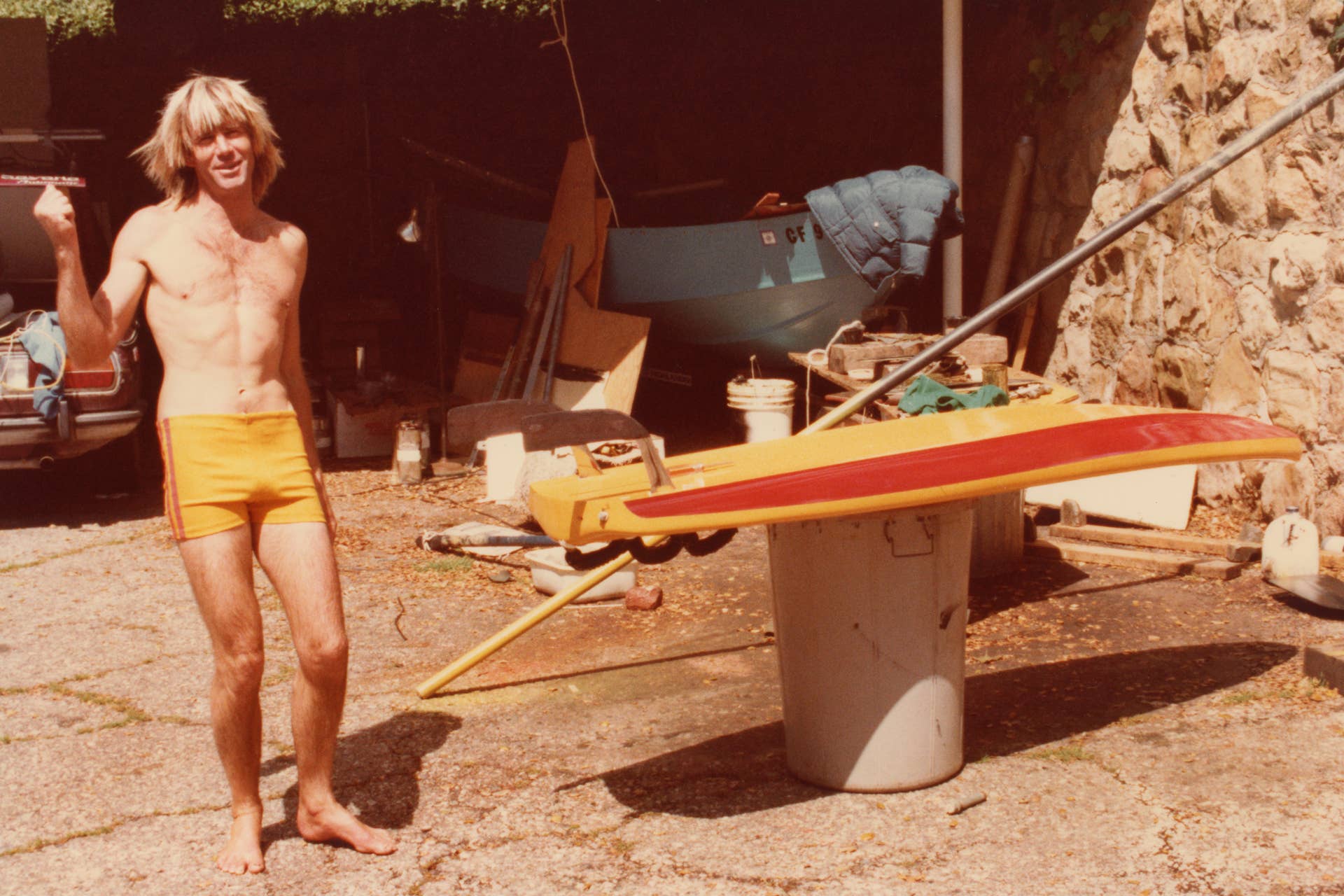
Now, even though Tom Blake had experimented with twin fins in the 40s, it wasn’t until 1976 when Mark Richards decided to create his own version of a twinnie that the shape really took hold. And even today, twinnies remain some of the most fun, versatile and damn right ludicrous boards of all time. Back then, Mark’s twin fin board was not suitable for larger waves but what it allowed for was greater manoeuvrability compared to the popular single fins at the time. For Mark, the spark came from him noticing the limitations in the single fin design; they couldn’t go well in smaller surf. So he took it upon himself to change that.
1980-1989 – Dawn Of The Thruster
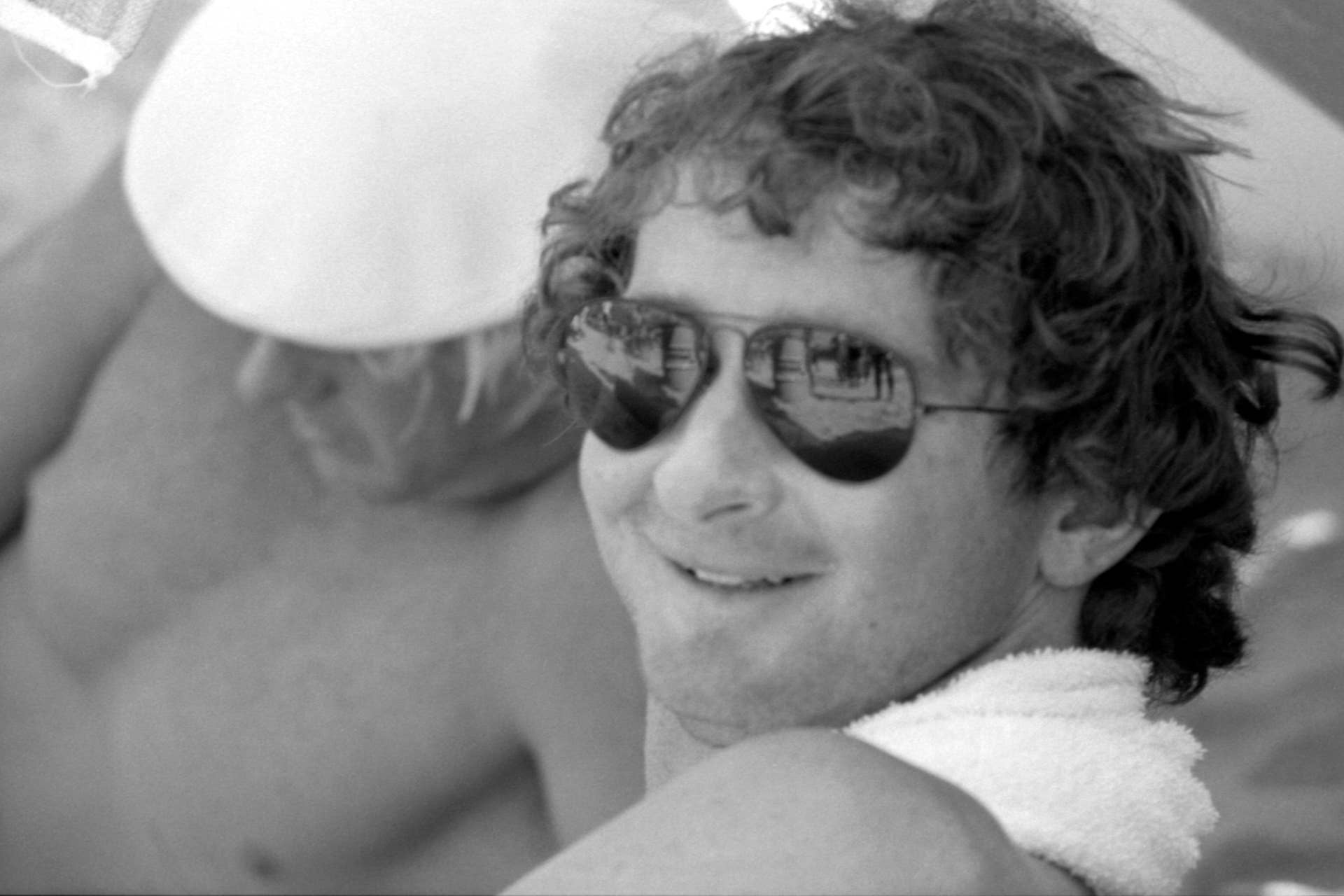
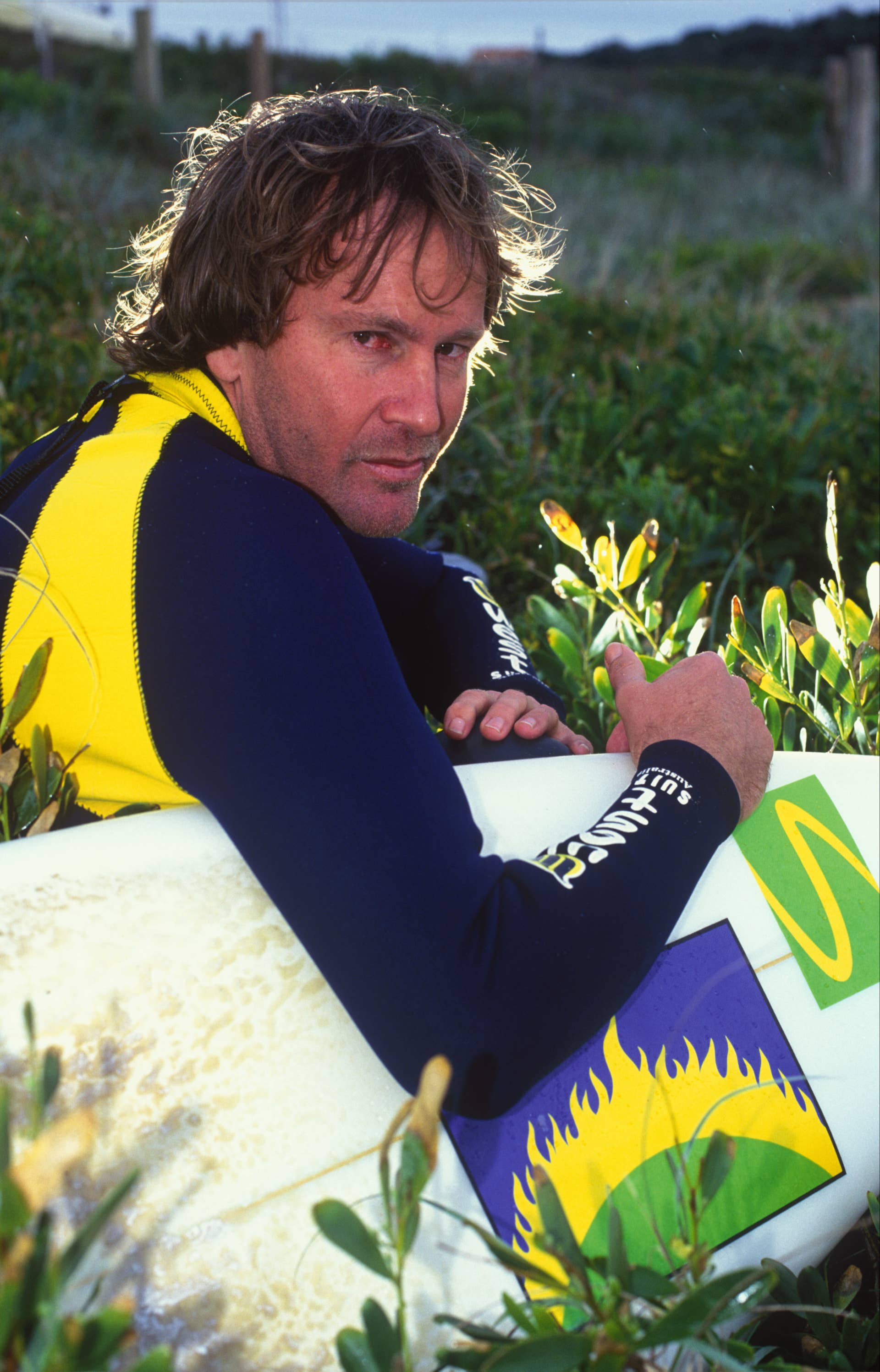
1981. That’s the year the entire foundations of surfing were demolished and rebuilt on the backbone of Simon Anderson’s thruster set-up. The combination of two side fins and a center fin allowed surfers to drive more power through their boards, offering more confidence, more progression and more umph to surfing than has ever been seen before. Rocker became a conversation – how do you get into steeper waves earlier? And professional surfing enters an unprecedented era of performance-related wizardry. So much so, that although shapes and tech has changed since then, the thruster is still the core of performance surfing today.
1990-1999 – The High Performance Building Blocks
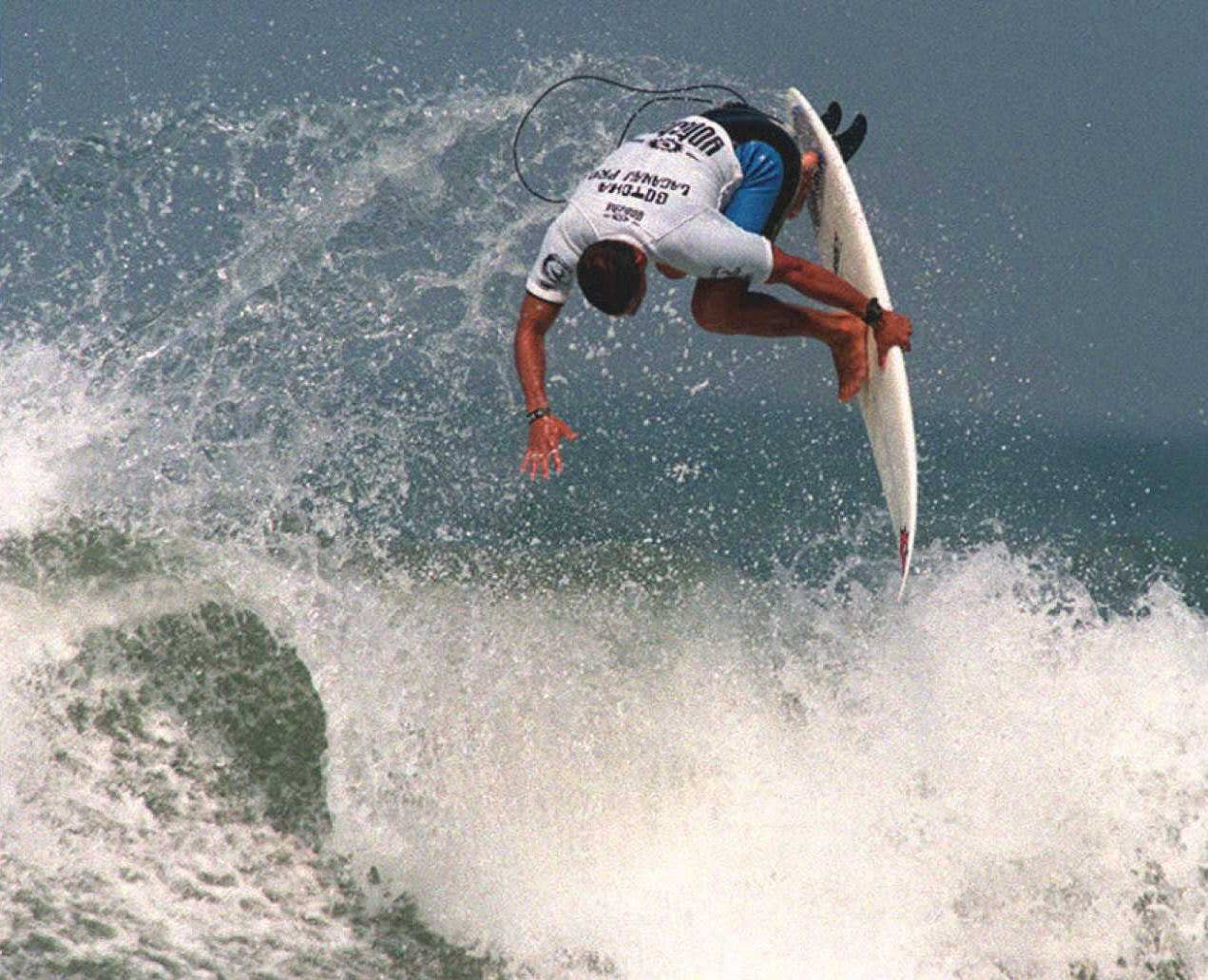
As more and more surfers began getting to grips with the thruster, performance surfing entered a sort of golden era. Shorter, thinner boards became the norm and not the outlier and shapers were increasingly invested in pushing the medium forward, experimenting with tail designs, rail thickness concaves and so much more. For the first time, computers began to take on the roll of the shaper – offering precision cutting and enabling mass production of boards across the world.
2000-2009 – A Return To The Roots
At the turn of the millennium, there was somewhat of a fatigue with banana, tooth-pick boards as surfers looked to shapes capable of performing in less than ideal conditions. And so, there was a resurgence of the fish, retro boards and old school shapes that had modern technology baked into them. Wider boards became the norm and talks of volume started to increase as one of the factors used to determine your next surfboard. Buying a board became about having more than one shape to suit a variety of conditions. EPS foam and epoxy resin started to become more mainstream as an alternative to PU. This is where hybrid boards, not a fish, not a performance board, really came to light and thrived.
2010-2019 – Big Tech
By now, computer aided design was all over the world and considered the norm as opposed to a nice-to-have. This allowed for greater precision, different profiles and mass production of boards all around the globe. Grovellers saw a huge surge during this time, as surfers looked to maximise performance in weaker conditions. Also, carbon fiber made its way into surfing, offering new ways for boards to flex and offering more durability. And brands like CI experimented with resin composites – developing Spine-Tek, which is a precision engineered stringer running down the center of their boards, as well as adding carbon patches to the tail in order to up board survivability.
2020-today – The Sustainability Boom
These days, new shapes and shapers have a (somewhat) eco-conscience at the forefront of their minds. New, more sustainable surfboards are entering the market with bio-resins and blanks made out of bio-polyester (like Polyola) which are increasing their market share across the globe. Perhaps thanks to Channel Islands, the mid-length has made a resurgence too, coupled with a pin tail and twin fins, it’s one of the more forgiving boards in larger more powerful waves with a lot of open face to it. Where the surfboard goes from here is anyone’s guess – but perhaps future tech will further delve into the sustainability angle and create a harmony between surfer and the natural world – much like the ancient Polynesian soul surfers would have likely wanted.