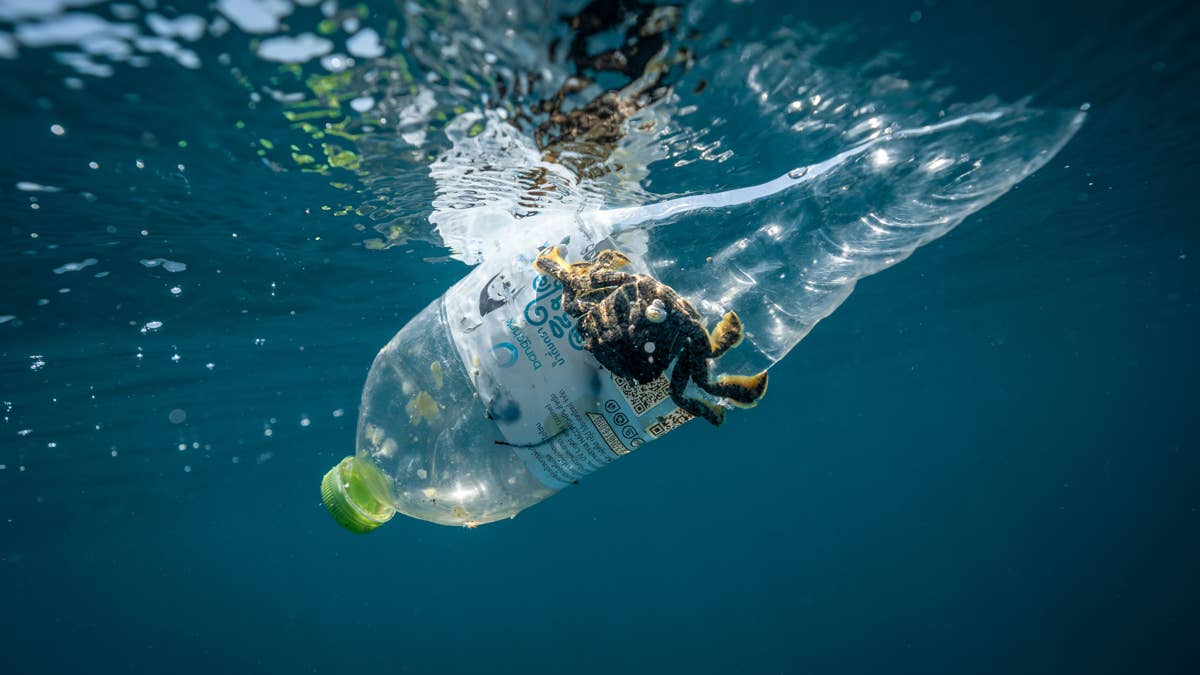
Volunteers with Ocean Conservancy’s International Coastal Cleanup (ICC) picked up 1,338,712 plastic beverage bottles and 885,854 caps from beaches and waterways worldwide in 2025. That makes them the first and third most commonly found items of litter across every cleanup site the organization tracked.
The numbers, released by Ocean Conservancy this week from its 2025 ICC — the largest single-day beach cleanup in the world — reveal two things. First, is that surfers and beachgoers who feel like they’re picking up the same type of trash, time after time, are not imagining it. Second, that the problem has documented solutions that have yet to be implemented.
It’s almost feels like we are just sweeping it under the proverbial rug. Needless to say, the ocean is not a rug — it is what connects us all. Furthermore, there really is no away, the plastic trash that we make is here to stay.
“I have spent nearly 15 years conducting hundreds of cleanups all over the world, and whether we’re on the remote Alaskan coast or a tropical island hundreds of miles from land, we find bottles and caps at every cleanup,” said Allison Schutes, Ocean Conservancy’s Senior Director of Conservation Cleanups. “Most bottles are used for mere minutes and yet can last in the environment forever.”
The bottles and caps aren’t just an eyesore on your favorite beach. Peer-reviewed research led by Ocean Conservancy has found that hard plastics like bottle caps are among the deadliest forms of ocean debris when ingested, especially for seabirds. One albatross was recently documented dead after swallowing a plastic bottle whole.
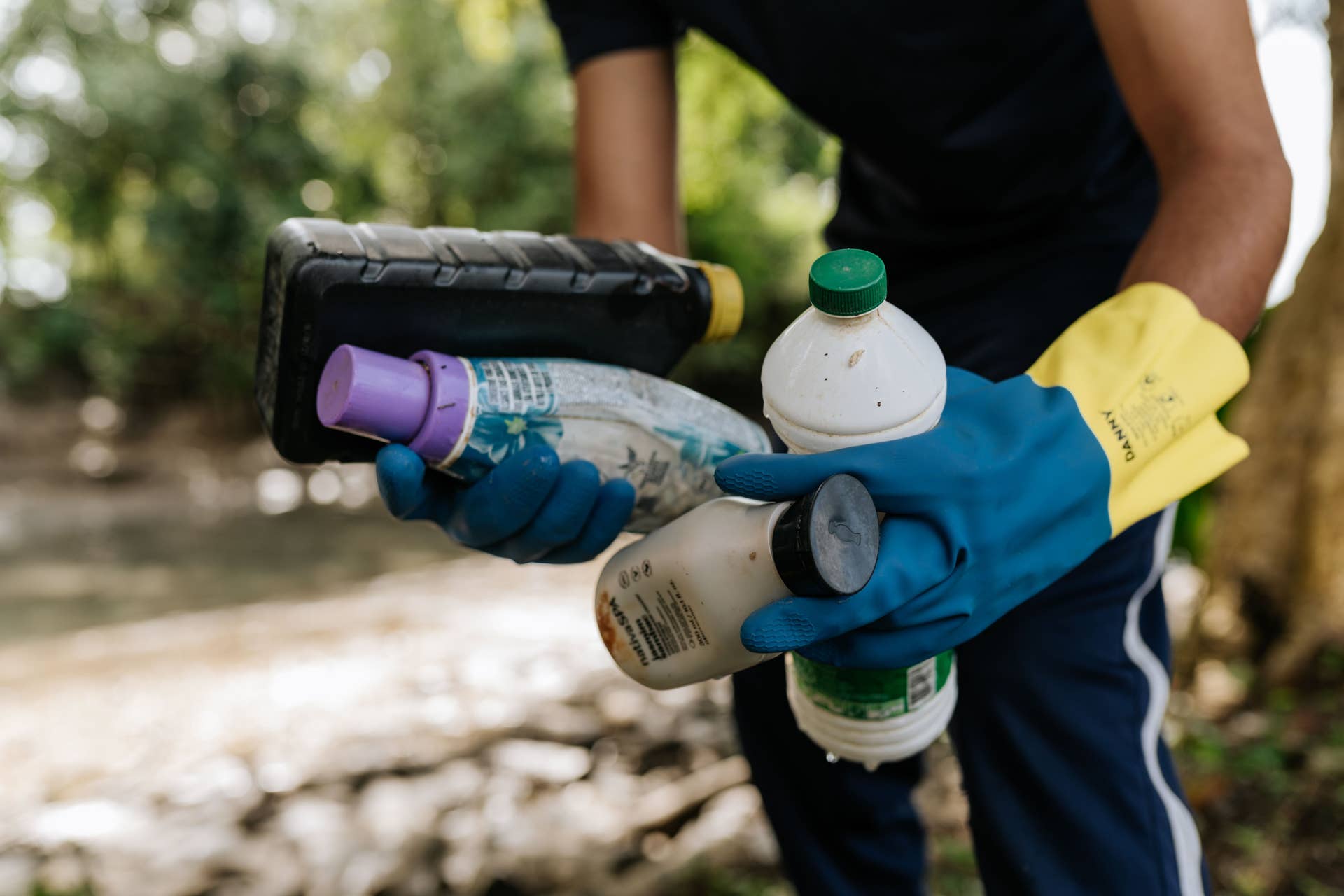
Rodrigo Fonseca
Dr. Anja Brandon, Ocean Conservancy’s Director of Plastics Policy and an environmental engineer who has helped draft state and federal plastic-pollution legislation, framed it plainly.
“There’s really no excuse for this — plastic bottles are among the most recyclable items out there, which tells us two important truths: one is that we are making too much plastic, and two is that a lot of our waste isn’t getting where it needs to go,” Brandon said. “Luckily this is fixable. Increasing access to recycling, including bottle deposit returns, and investing in reuse and refill infrastructure would go a long way.”
Bottle deposit return schemes (aka “bottle bills”) and Extended Producer Responsibility laws, which make plastic producers financially responsible for the waste their products generate, are documented to work. Ten U.S. states currently have bottle bills. Seven states (Maine, Oregon, Colorado, California, Minnesota, Washington, and Maryland) have passed EPR legislation since 2021, with nearly a dozen more considering similar policy.
Ask anyone if they’d rather see less plastic pollution, whether on the coast or on the streets, and you’d be hard pressed to find someone say no. The best route forward is to stay vocal and demand change in policy.
The ICC has been running since 1986. Across nearly 40 years, close to 20 million volunteers have logged more than 405 million pounds of trash into what is now the world’s largest marine debris database. This year’s cleanup runs globally on Saturday, September 19th, with thousands of local cleanups happening throughout the month. You can find the full list here to show up and volunteer.
Related: Dear Coca-Cola, Please Stop Trashing Our Islands. Sincerely, Samoa.