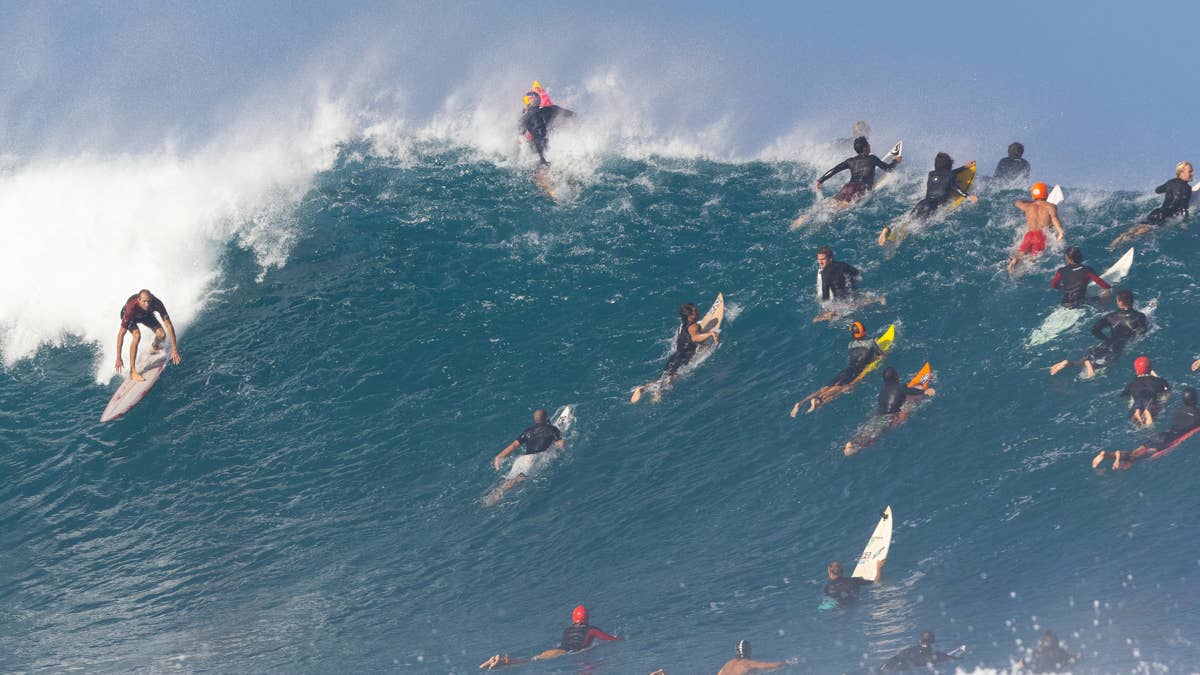
Like most outdoor activities, surfing saw an unprecedented boom in the years that followed COVID lockdowns. All over the world, new surfers were taking to the water, enjoying everything the oceans had to offer after months of feeling claustrophobic.
But the thing about that is, it may have quietly watered down the rules over etiquette. There are millions of new people across the globe who may only be five-to-six years into their surfing journey and not know what snaking is, or who has right of way, or any of the many nuances that make a somewhat harmonious line-up.
What Is Surf Etiquette?
Etiquette is the unwritten rules that surround surfing, of which if you don’t abide by, you’re going to make a menace of yourself in the water. Some beaches across the globe have these rules on signage, in an attempt to educate everyone.
As with all rules, some surfers just take them as a guideline while some people have different interpretations of the meaning, but the gist is universal – take it easy, don’t drop in, don’t snake or back-paddle and try to remain calm.
Understanding Right Of Way when Surfing
This may be the simplest bit of etiquette that so many still get wrong. Whichever surfer is closest to the peak has the right of way, or priority. If you are in that position, always check over your shoulder to see if anyone is deeper on the wave – meaning closer to the peak – if there is someone, you need to pull off and let that person go. Some believe it’s the surfer first to their feet who has priority, but that is wide open to interpretation. If that’s the case, you can take off on the shoulder and claim right of way and drop in on someone, which leads us to…
Don’t Drop In or Snake
If you see someone deeper on the wave than you, and you go anyway, this is called dropping in. This should be avoided at all costs. If you see a set wave coming, and notice someone is in a better position than you, and you paddle around them – this is called snaking. Both are the most common forms of breaches of surf etiquette. Of course, mistakes happen – but they can usually be resolved with a sincere apology. You may have legitimately not seen the other surfer on the wave. If you notice someone’s already up and riding at the last minute, pull off when it’s safe to avoid any collisions.
Don’t Take Every Set Wave
We’ve all seen it. Someone on a conveyor belt, paddling around everyone, catch a wave, back to the line-up and takes the next set wave. Rinse and repeat. Being greedy in the line-up is a big no-no. Those who surf longer boards, be aware that yes you can do this, but should you? Spread the love around a bit or let someone else take a set wave. Few years ago, underground big wave charger and surf explorer Matt Rode wrote about the waves he’d given away and seeing the recipient’s faces as they paddled back out. They thanked Matt, who said that feeling was almost as good as him catching the wave. There’s a lot of good will in surfing, and paying it forward goes a long way.
Paddle Out And Around, Not Through
However you end your ride, kick-out, wipeout whatever, it can be tempting to just blitz it back out into the line-up, going through where people will be surfing. If there’s a hazard on the inside, this is unavoidable. But mostly, you should paddle around the wave and back out, without getting in the way of anyone.
Ditch Your Board As a Last Resort
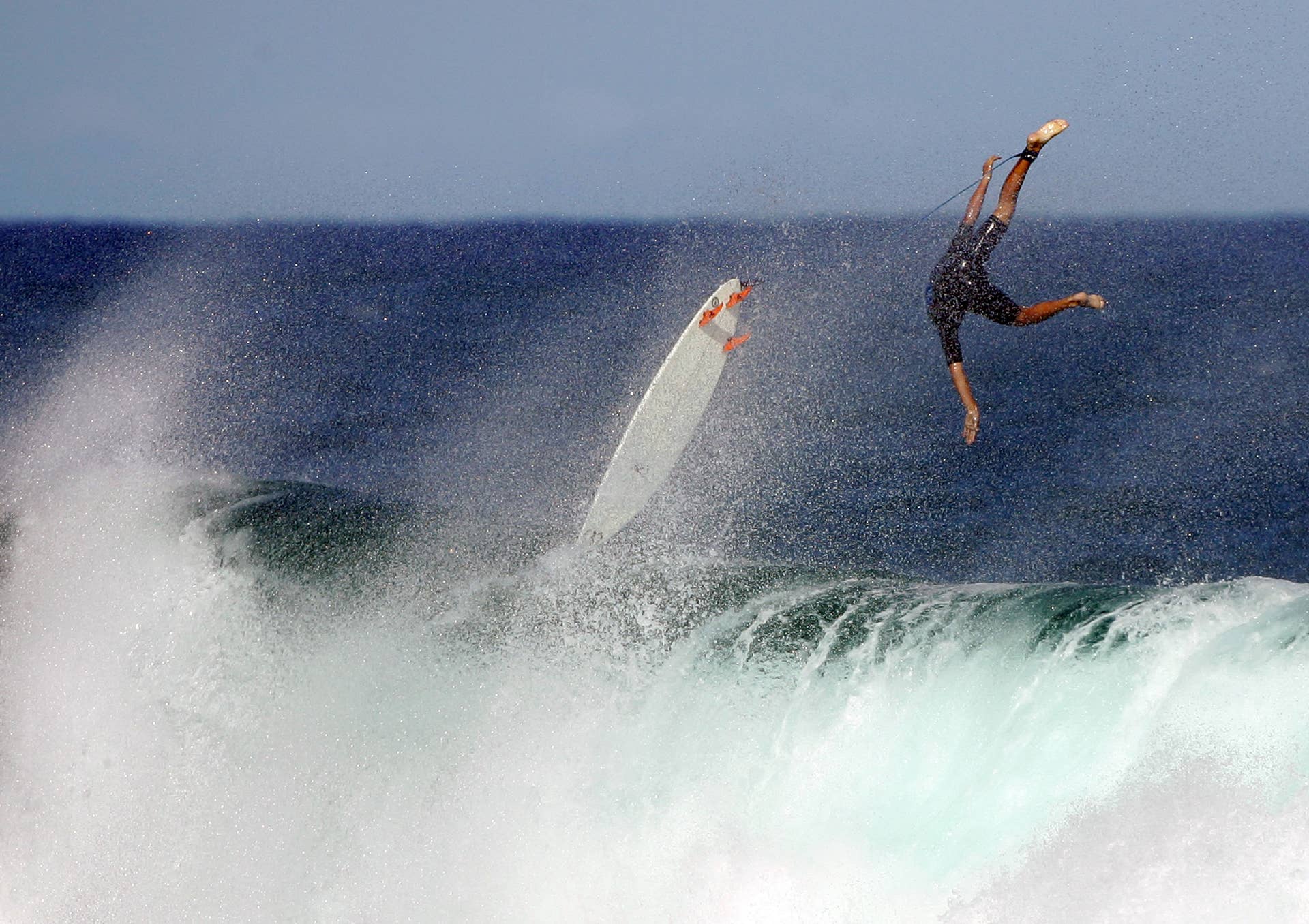
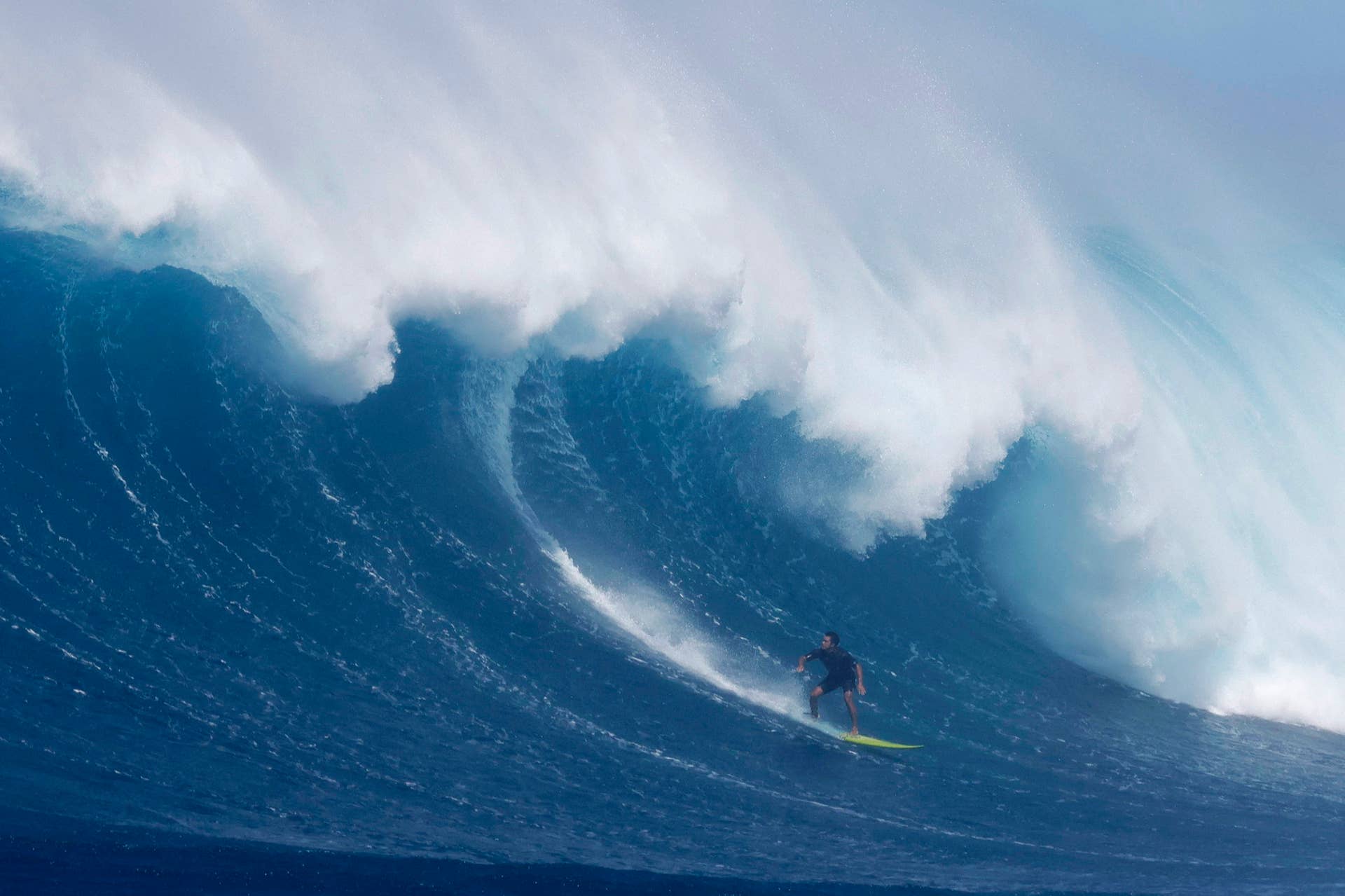
When you’re starting out, ditching your board when a wave’s about to break on you may seem like a good option. But think of it this way; the length of your board plus the length of your leash essentially creates a death radiance around you. No one wants to take a fibreglass missile to the face. It’s far better to practice your turtle roll, or your duck-dive, to avoid your board ploughing through the line-up. If you absolutely have to ditch your board, then check around you first, make sure no-one is in the firing line. There is one exception though, when you’re in the big wave realm and your only option is to swim down versus attempt to negotiation 60 feet of white water on your head. Usually, you will be solo here anyway but take other people into consideration.
It’s OK To Communicate
Some poor soul paddling out on the inside has craned their neck and is watching you take-off – they may not know whether you’re going left or right. If you call this out while paddling, they will know which side to take the white water on the head and avoid ruining your wave. If you don’t call it out and expect them to just know which way you’re hoping to go, you can’t get angry that their 50/50 gamble did not pay off. “Going left,” “going right,” “you’re ok, stay there,” are essential messaging for navigating a line-up.
Be Respectful
There’s no need to be a bull in a china shop in the line-up. Respect your fellow surfers and their time. If you’re aggressive in the water, you can likely expect that back. Also, if you’re a visiting surfer, take note of the locals. If it’s the day of the season and you’ve pulled up in droves, that’s really against etiquette. Some locals may have been waiting all year for the day of days, so spread yourself at other spots along the way. There are plenty of waves to go around and beaches. You must also wait your turn for waves, there is usually a hierarchy order here and it’s important to respect that.
Know Your Limits
Don’t paddle out in pumping surf if you are new to surfing, especially at a busy line-up. You could end up ruining the session for someone else or put someone in danger, or yourself. If you do want to push yourself, take small steps before going out in conditions that will eat you alive.
Be Mindful Of New Surfers
One for the core, really. Remember there are a lot of new surfers out there these days and some won’t have been through surf schools, or have any idea of etiquette. It is fine to educate about the nuances of a modern line-up but not in a way that generates hostility. You don’t need to be forceful, just have some patience and know that surfing isn’t like it was 20, 30, 40-years-ago. Things have changed, the demographic has changed, the boards, the accessibility. Surfing isn’t going to get less popular, it’s going to get more.
Keep Smiling
Especially if you’re traveling. A smile can be a great diffuser in a foreign line-up. Wait your turn, smile at people in the water, avoid doing everything else we mentioned in this article and you should be fine. This could also involve a quick litter pick on the beach after your session as a way of giving back to the coastline.
Related: Spring Surf Escapes: Where to Score Dreamy Waves Right Now