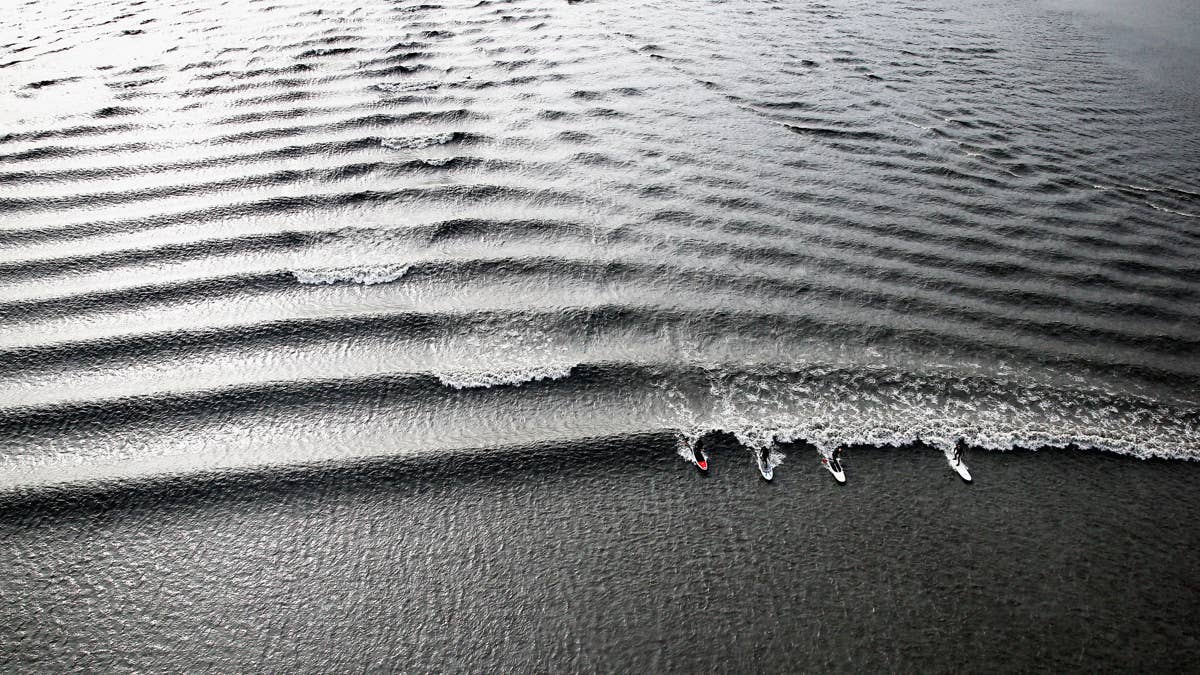
We’ve already covered where some of the best places for a cold water adventure are – but what are some of the actual coldest places to surf?
Surfing in frigid waters isn’t for everyone, the cold will bite and chew through some wetsuits – and if water flushes in when you’re duck-diving, it makes for an experience, shall we say. But for the most part, a decent 5mm or 6mm suit will see you through the coldest of cold water surf spots and then it becomes about whether you’re comfy wearing that much rubber. Add booties, hood and maybe gloves (if you wear them) for the full wintry water reality. Here’s a few of the coldest places where people surf across the globe.
Alaska, USA, 35-41 degrees F
Arguably one of surfing’s greatest frontiers – surfing in Alaska is not for the feint-hearted. Water temperatures can be near-freezing, with some of the most remote surf spots in the world. You’re going to need a decent 6mm suit just to stomach the cold – and chuck a board in with a few extra liters to make up for the additional weight you’ll be carrying from said equipment. One of Alaska’s best-know surf communities is out of Yakutat, which sits just off the border of Britsh Columbia and Yukon along the Gulf of Alaska. Despite that, there are only around 30 surfers in the area. But it’s the Aleutian Islands that really turn heads, a chain of islands that stretches to the west over roughly 2,000 kilometers and capable of soaking up swells from the Pacific, with little in the way to interrupt it. Ben Weiland and Chris Burkard are best known for exploring and documenting the Aleutian Islands – notably Ben’s The Cradle of Storms made headlines as a SURFER project back in 2014. However, to the east of the islands is another cold water spot…
Kamchatka, Russia, 32-39 degrees F
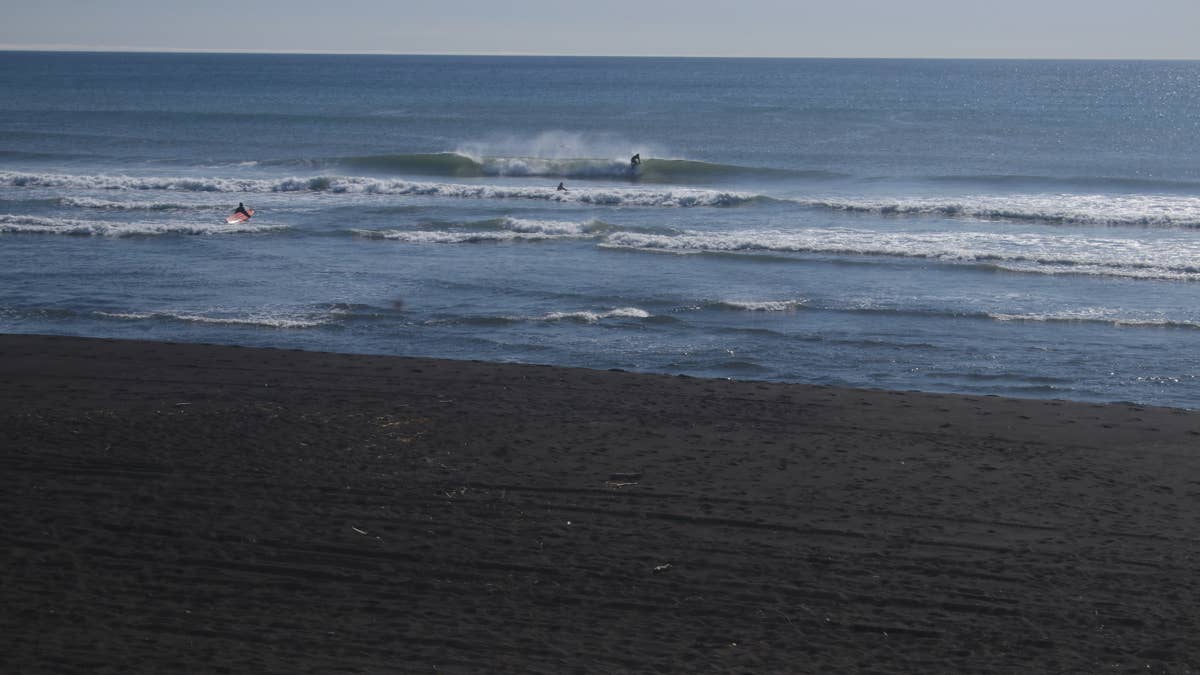
Kamchatka is a bit colder than its Alaska connection. This Russian peninsula is connected to the US via the Aleutian Islands. Kamchatka is a tale of extremes, extreme cold, wildlife, remoteness and backdrops. Perhaps its most famous surf spot is Khalaktyrsky Beach, a 30 kilometer stretch of black volcanic sand, facing right into the Pacific Ocean, on Kamchatka’s eastern coast. This is a powerful beach break, where waves can peel fast, offering a hollow inside section. If there’s enough swell, it can hold it to varying degrees of success at size. Meaning; you will really need to pick your moment out there. The water is at freezing point, so a 6mm isn’t a nice-to-have, it is a real must. Also watch out for bears – the peninsula hosts one of the densest brown bear populations on Earth, who roam the coast looking for food.
Related: El Niño Crystal Ball: What’s Coming Next From This Godzilla El Niño Swell Season?
Lofoten, Norway, 39-41 degrees F
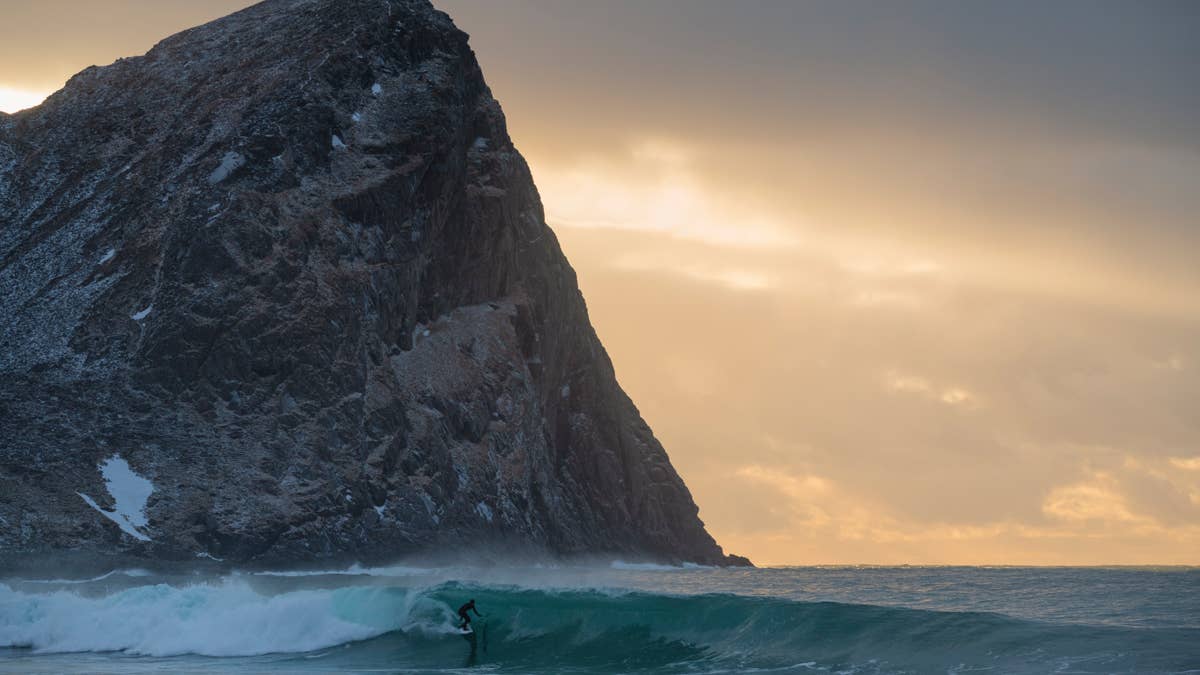
Lofoten is well known as a cold water surfing Mecca. And deep within the islands is the tiny coastal village of Unstad. It is located on Vestvågøya island in Nordland county, very remote and equally dramatic – especially as it is home to an insane, world-class pointbreak and a plethora of other set-ups around the area. Which is kinda trippy when you think that just 13 people inhabit Unstad year-round. The water’s a little warmer than others on this list but not by much – and you’re still going to freeze upon exiting the water, especially if there’s a powerful Arctic storm in the mix, blowing cold, offshore winds right into your face. Most recently, Swedish surfer Tim Latte has been stationed there and pushing further into the northern realms of Norway. According to him, there’s no better place to surf. If you’re there year round, likelihood is you’re not competing for waves either. Getting to Unstad is an experience in itself, taking in some of Norway’s gorgeous scenery. Fly to Oslo, grab a connecting flight to Leknes Airport, which is about 25 minutes from Unstad. If you opt to drive, you will eventually pass under a tunnel into Unstadveien, where the scenery will open up on either side of you, unveiling Unstad and the ocean out front.
Iceland, 35-41 degrees F
Black, volcanic sands, pointbreaks and a ring-road the encompasses the entire country. Iceland is a marvel – and a frighteningly cold place to surf. Remember Taylor Steele’s stunning opening for Castles In the Sky? Lush, green hills, waterfalls and wild horses showed Iceland in a different light during the spring. But as soon as winter rolls around, Iceland returns to its namesake. It is one of the more accessible surf zones on this list as flights to the nation’s capital of Reykjavik are fairly frequent. You will want to watch from the storms that filter in from the west, off the tip of Newfoundland and then explode towards Iceland, creating crazy runs of surf on the island-nation’s southern flank. The surf community is small, yet growing, tight-knit and welcoming for those with the right attitude. Expect to find all manners of set-ups from reeling pointbreaks to powerful beachbreaks – stretched across miles of coastline. Worth a visit if you’re looking for a relatively easy-going adventure.