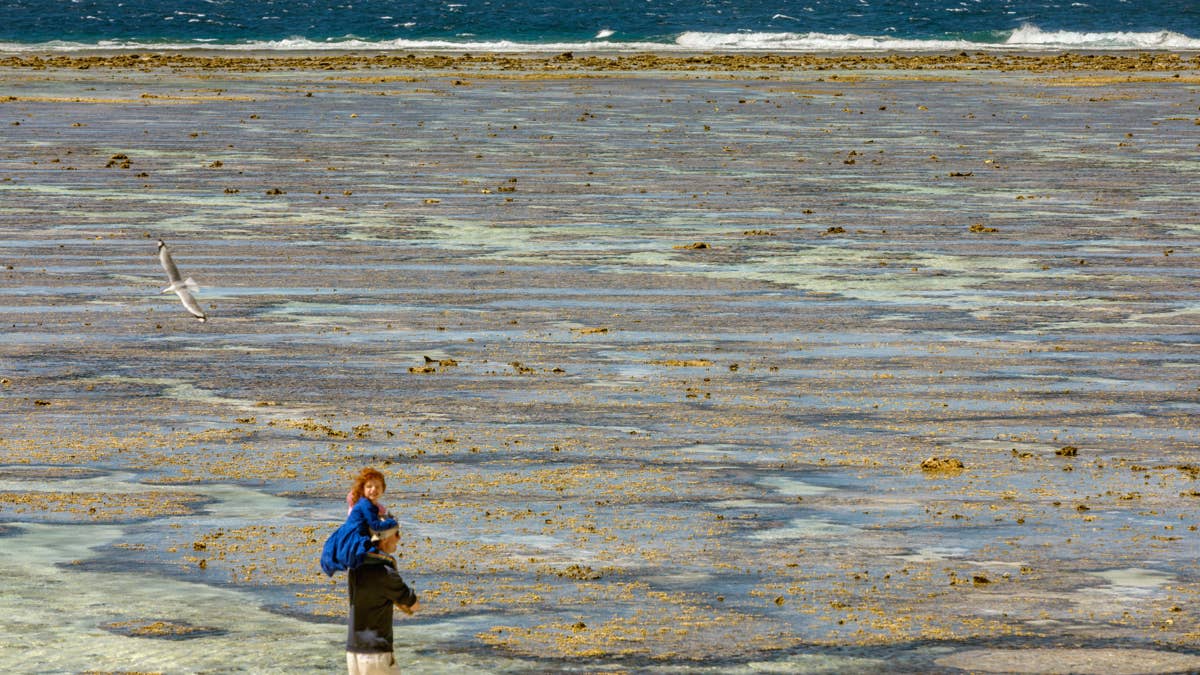
By the time pilot Don Adams landed on Lady Elliot Island, a coral cay at the southern end of Australia’s Great Barrier Reef, decades of commercial guano mining had reduced the place to something approaching a moonscape. The seabirds were largely gone, the vegetation had been stripped away, and even the roughly three feet of guano-rich soil that once supported it had disappeared.
By 1874, according to historical accounts, most of the 111-acre island’s endemic flora and seabird colonies had vanished, with introduced goats picking over whatever remained. Aside from its lighthouse, Lady Elliot was more or less abandoned.
Then came Adams. In 1969, the enterprising Queensland pilot set his sights on Lady Elliot, securing a tourism lease in exchange for building an airstrip. But Adams wasn’t merely looking to turn a barren patch of coral into a tourist destination. He saw something that apparently few others did: a future for the island itself.
So he started hauling in fresh water by air and planting trees, thousands of them. Along with his wife, Moya, and their family, Adams replanted native coastal species, some of which are still standing today. And that vegetation did more than make the island prettier. Its roots helped hold sediment in place, reducing erosion and keeping that sediment from washing onto the surrounding reef.
Then the ecosystem began doing what ecosystems do. Vegetation returned. Fish followed. Turtles returned. Seabirds came back to nest, and, in a particularly elegant bit of ecological bookkeeping, brought their fertilizer with them.
The comeback continued after the Adams family sold its commercial recreation lease to Barrier Reef Airways in 1977. The Australian government later sought public tenders for a low-impact eco-resort, an unusually forward-thinking proposition for the 1980s. Management of Lady Elliot has changed hands more than a few times since then, but Adams’ basic vision has endured. Since 2005, Peter Gash and his group have overseen the island, planting more than 10,000 additional native trees, according to the Lady Elliot Island Eco Resort’s history.
And the payoff isn’t just above the water. The reef surrounding Lady Elliot is now a standout diving destination, alive with fish, turtles, seabirds, and all the other characters that make the Great Barrier Reef worth protecting in the first place. It doesn’t always get swell, but when it does, it can absolutely fire—and you might even have the Adamses to thank for that, too, as erosion and sea-level rise might otherwise have just as well killed the hollow right that forms on its eastern flank, too.
Adams died in 2019 at 93, after a formidable career in aviation with his son, Peter, but the little airstrip he built on the roughly mile-wide island is still in operation. Not a bad legacy for a pilot who looked at a barren coral cay, saw what it could become, and decided to fly in some water and lend nature a helping hand.