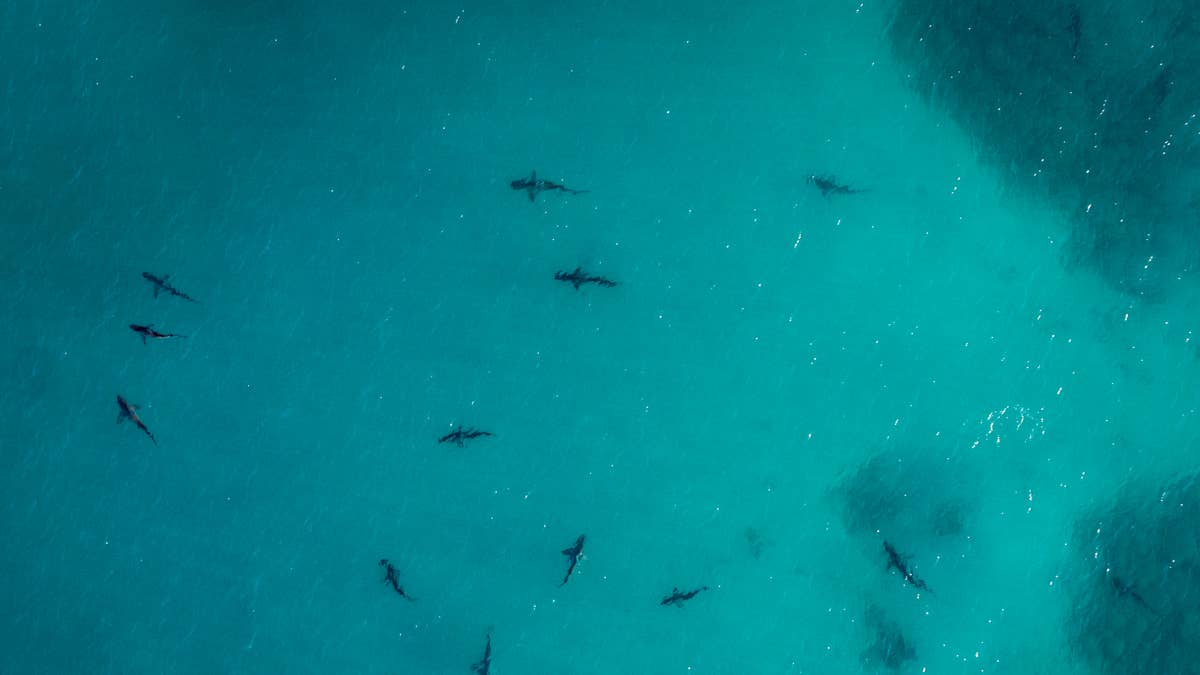
Over recent years, shark sighting have been on the rise in unlikely places. And not just in the world’s surf zones, there’s been first-ever spottings in places you wouldn’t have thought of.
Research suggest there’s not more great white sharks in the water, it’s more that they’ve moved along the coast. But these spots were traditionally not ideal habitats for sharks.
So much so, that shark incidents have taken these local communities by surprise. Towns that barely see great whites have now had more than a few incidents. Still, it’s important to remember that these are tiny on the global scale of injuries, or fatalities by wild animals, but still enough that researchers have taken note.
For instance, a few years back, a great white washed up in Haida Gwaii, British Columbia, and scientists are now saying this is becoming more of a mainstay habitat for the population.
Then, in June of 2026, divers filmed an adult great white in the Mediterranean, in the Strait of Sicily between Tunisia and Italy – the first every time a great white was recorded on video underwater in the Mediterranean, though it’s well-known they’re present in the water. This made global headlines, likely due to shock factor. So what’s actually happening here? Are great white sharks becoming more prevalent? Or is this a bigger question? Let’s examine a few spots.
California: Moving Nursery Draws Sharks North
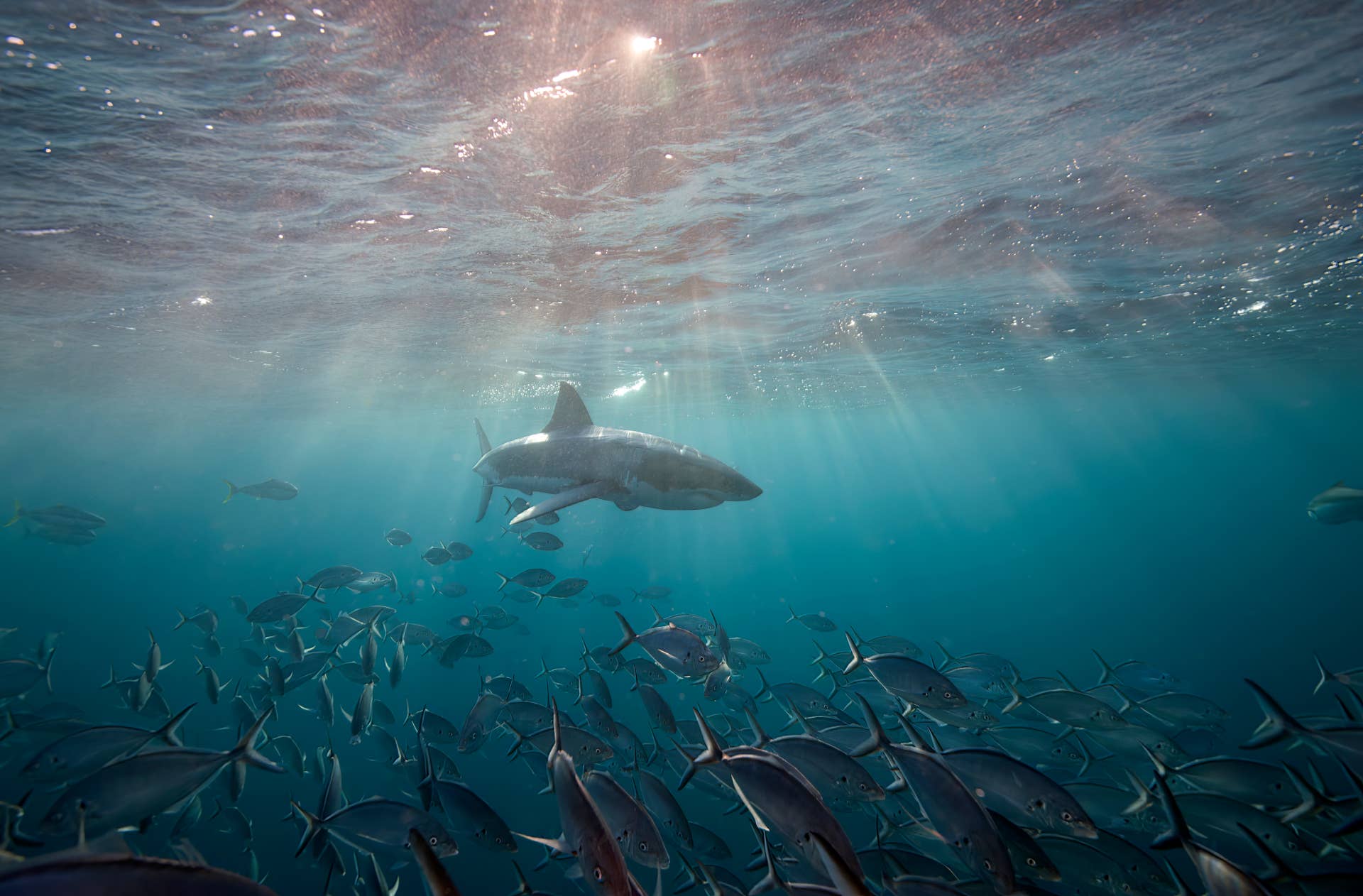
Juvenile white sharks were never really a thing anywhere north of Santa Barbara, as the young ones tend to stick around warm waters off the coast of Baja. However, researchers at Monterey Bay Aquarium noted the juvenile pack were moving steadily northwards. This could be down to the fact that Central California waters have become warmer over the past generation, making it an ideal habitat for the nursery.
Dr. Chris Lowe, from the California State University Long Beach Shark Lab, has been tracking young shark migration, comparing data from 1982-2013. He noted the Santa Barbara boundary has moved much further northwards – and with El Niño now under way in the South Pacific, this migration could continue its journey up. “When we have these El Niño conditions, it gets too warm, and the white sharks don’t like it,” he said. “And it pushes them into California.” He also noted the juvenile sharks are moving sooner, too.
“We’re already seeing a high number of white sharks,” he said, last month. “We started seeing baby white sharks in February, which we’ve never seen before. Usually that happens in April.” According to Chris, this is of course a direct result of a warming ocean.
Related: World’s Sharkiest Surf Zones Ranked by Deadly Shark Encounters
Cape Cod: Following the Food
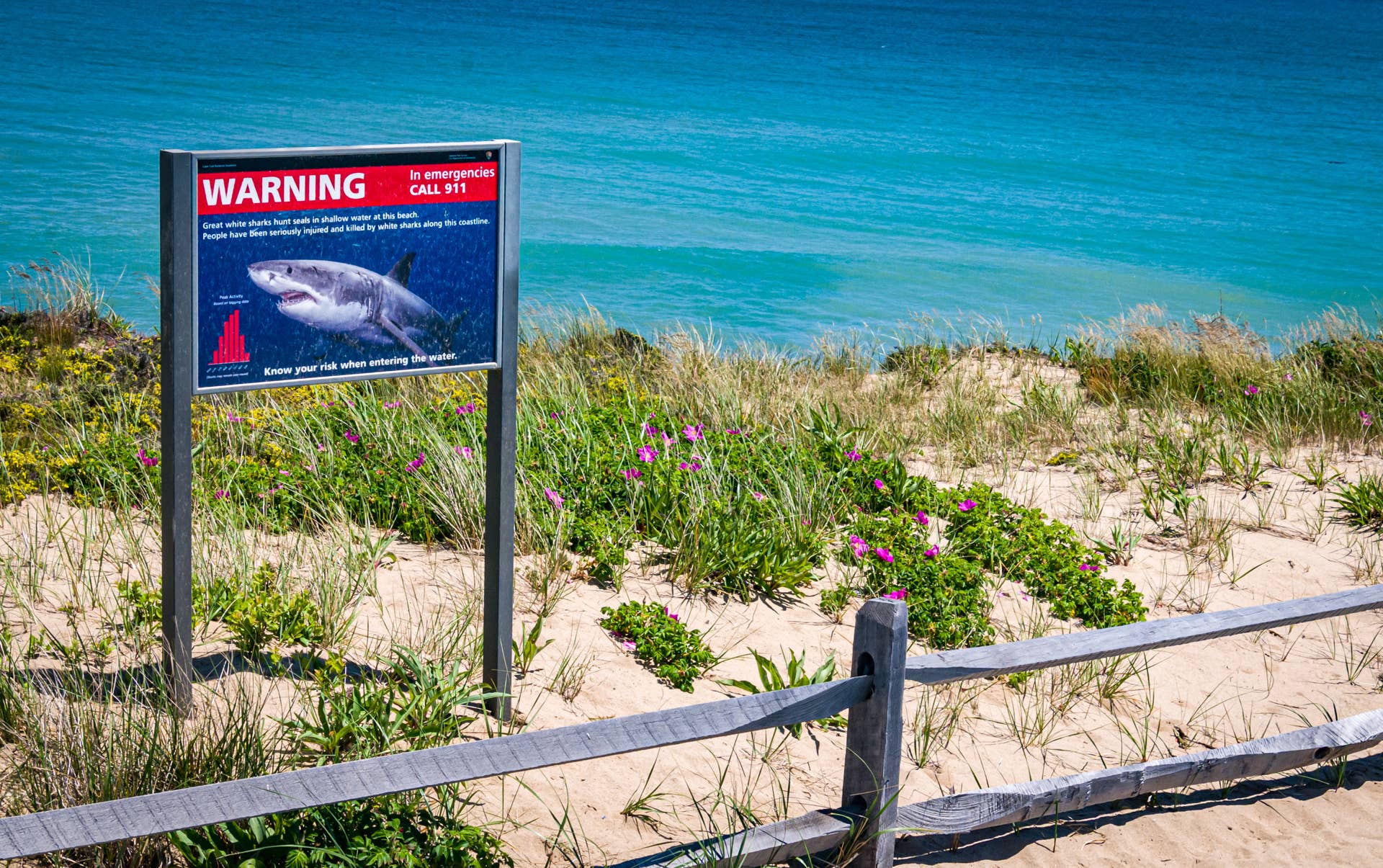
Back in 2021, a new study was released on the hunting patterns of white sharks off Cape Cod. This research may have gone under the radar as the world was unshackled from COVID lockdowns. The study noted: “White sharks off Cape Cod spent almost half of their time at depths of 15 feet or less. Although the overall risk posed to humans by white sharks is low, there is a high potential for overlap between white sharks and recreational water users, and the results have clear implications for shark-related public safety practices in the region.”
Lead author of the study, Megan Winton said: “White sharks are regularly spotted off our coastline during the summer and fall, the peak of Cape Cod’s tourist season, but until now we didn’t know just how much time they spent in shallow water close to shore.”
This study provided the first idea into the habitat of white sharks off Cape Cod. Greg Skomal, co-author of the study, and who is responsible for tagging more sharks than anyone else along that coastline, says while sharks usually arrive during the summer, the peak shark season can stretch into October before tapering off.
However, in 2023, more than half of the tagged sharks by the Atlantic White Shark Conservancy tagged off Cape Cod happened in October. Greg notes this could be due to the warming ocean waters which allows sharks to linger for longer into the autumn – and the robust gray seal populations continue to be a food draw for sharks.
Mediterranean: The Ghost Shark
No-one expected this. Yes, sharks are in the Med. But they’ve never been seen in their natural habitat. So why has one been spotted now? Scientists quickly dampened the ‘there’s now more sharks in the Med’ fire, but put it down to the same reason as the ones above; warmer seas means more habitable conditions for the men in grey suits. Simple as that for an explanation, but not good news for the state of the Med. In fact, satellite data shows severe marine heatwaves, with surface temperatures soaring to 40 degrees F more than average temperatures of the basin. The region is warming roughly 20% faster than the global ocean average. And if that isn’t a terrifying statistic, we’re not sure what is.
Australia East Coast: Are Shark Populations Squeezing Into Other Areas?
Here’s something more interesting. A 2025 study from Flinders University ran six years of satellite tag data on 41 great whites. They found that the warming east Australian current is trapping sharks closer to shore. The data showed that more than 60% of all the young sharks that had been tagged were lurking within 20kms of the mainland. And, it correlates to a spike in shark encounters across that coastline, of course.
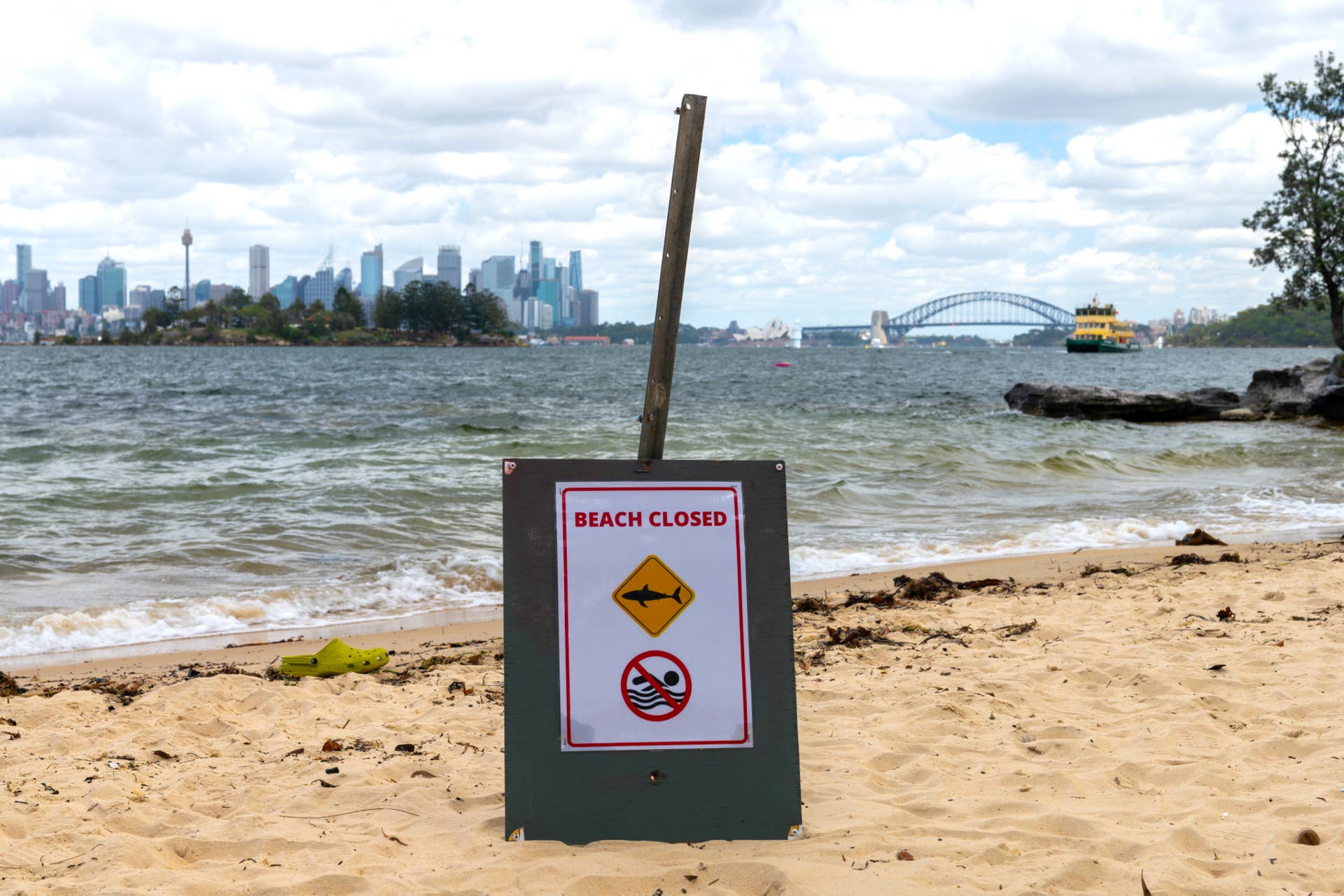
There’s also been heavy rainfall too, creating murky conditions and pushing prey closer to shore. There’s been a noticeable increase in bull shark sightings too. Earlier this year, there were four shark bites within 48 hours, three of them within a 15km stretch of Aus’ east coast. “This is the closest – in both proximity and in time – series of shark bites that I’ve ever seen in my 20 years of research,” said Chris Pepin-Neff, associate professor of public policy at the University of Sydney. Three of those incidents were in Sydney, after several days’ worth of heavy rain, during which the city’s official weather station recorded 127mm of downpour within 24 hours – its wettest January day in 38 years.
So What’s The Deal? It’s Pretty Clear
Globally, the data does not lie. Warming oceans are pushing sharks further up and closer to coastlines. There’s also the fact that an abundance of prey are closer to shore in some surf zones across the globe. It’s clear that sharks are not becoming more aggressive, it’s just the time spent in proximity with them is increasing, due to global climate drivers.
Related: Shark Attack Survival: The First 10 Seconds That Could Save Your Life