Summer, it’s not you, it’s me. It’s time to move on. Surfers need to get serious. Knuckle down, look at those waves that really count. And September through to November can be a global sweet spot. Peru is still pumping, Central America is, as ever, steady, and it’s prime time across the whole European Atlantic coast. The tail end of Indo’s dry season and into the shoulder season is way more consistent than you think.
But which waves are the most consistent? The wave magnets that hoover up every inch of swell, the stretches of coast where offshores prevail, or, if they don’t, can handle all kinds of winds. Just where are good waves guaranteed?
Now this isn’t based on pure vibes, though; sure, they play their part. Some of the key surf forecast platforms have historic wind and swell data available. Surfline has data dating back to 2010, albeit only for premium members. Surf-Forecast goes back longer, covering 20 years, and has filterable swell and wind data by month and season for more than 7,000 spots, which is free on the net. Using these resources, we look at the five of the most consistent spots on the planet as summer fades to black.
Cloudbreak, Fiji
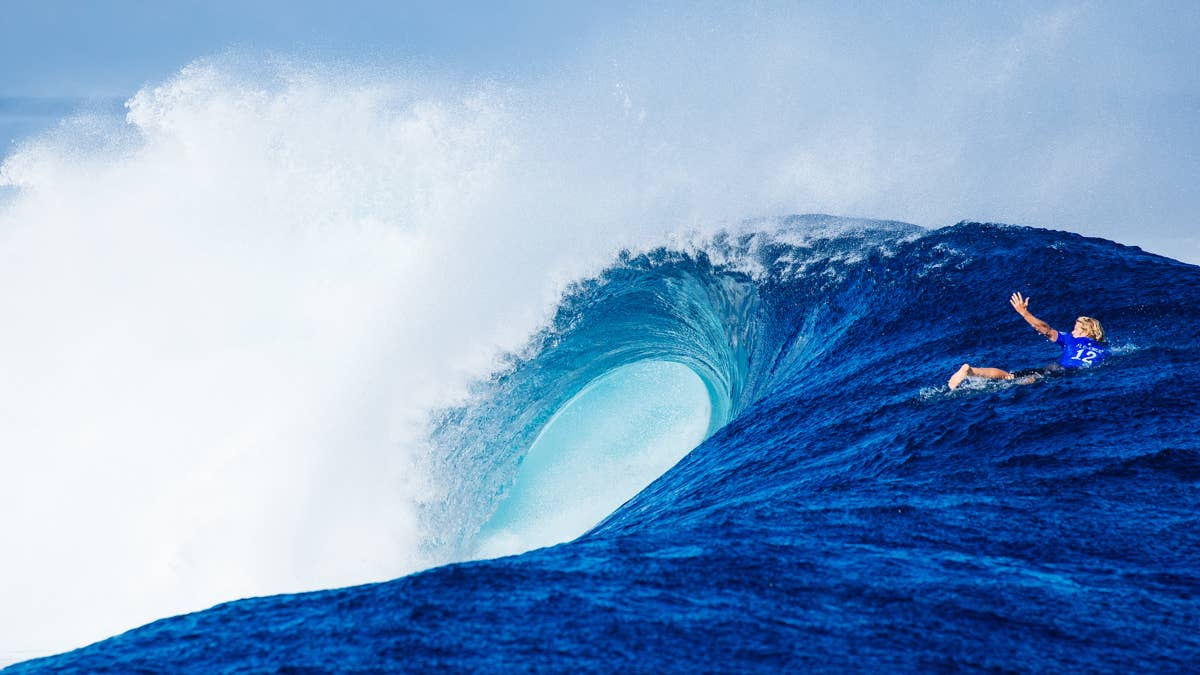
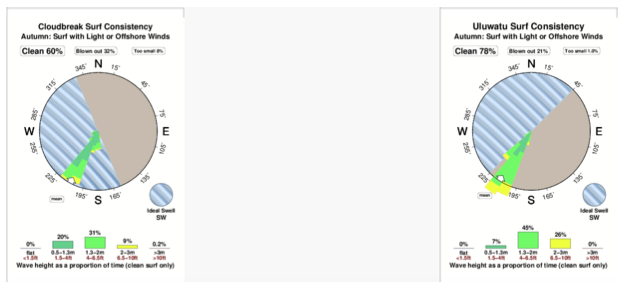
Cloudbreak is an austral-winter wave, with prime window running April through October. Yet for those who don’t need double overhead, macking ledges or Thunderclouds in their lives, the Southern Ocean and Tasman storm belt still delivers in Fall. Long-period south-southwest groundswell still motors up the Fiji corridor, into the coral catcher’s mitt that is the reef off the island of Tavarua. Even as late as November, the 20-year stats show there is swell 91% of the time, all be it with all winds. The percentage of days with clean waves is still a remarkably high 60%, with wave heights above four feet 25% of the time. When you benchmark the quality of the wave against its sheer quantity of surfable days, there’s a reason why Kelly Slater calls it the best wave in the world.
Hossegor, France
Surf-Forecast.com
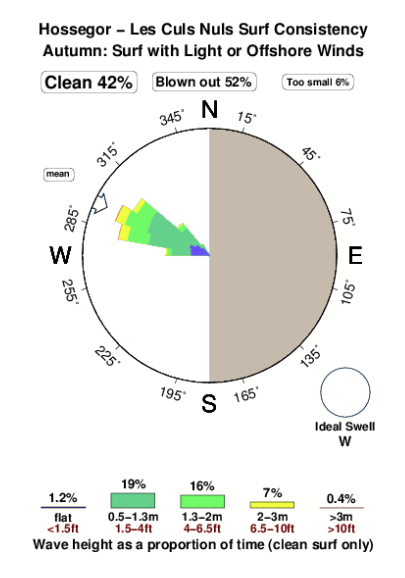
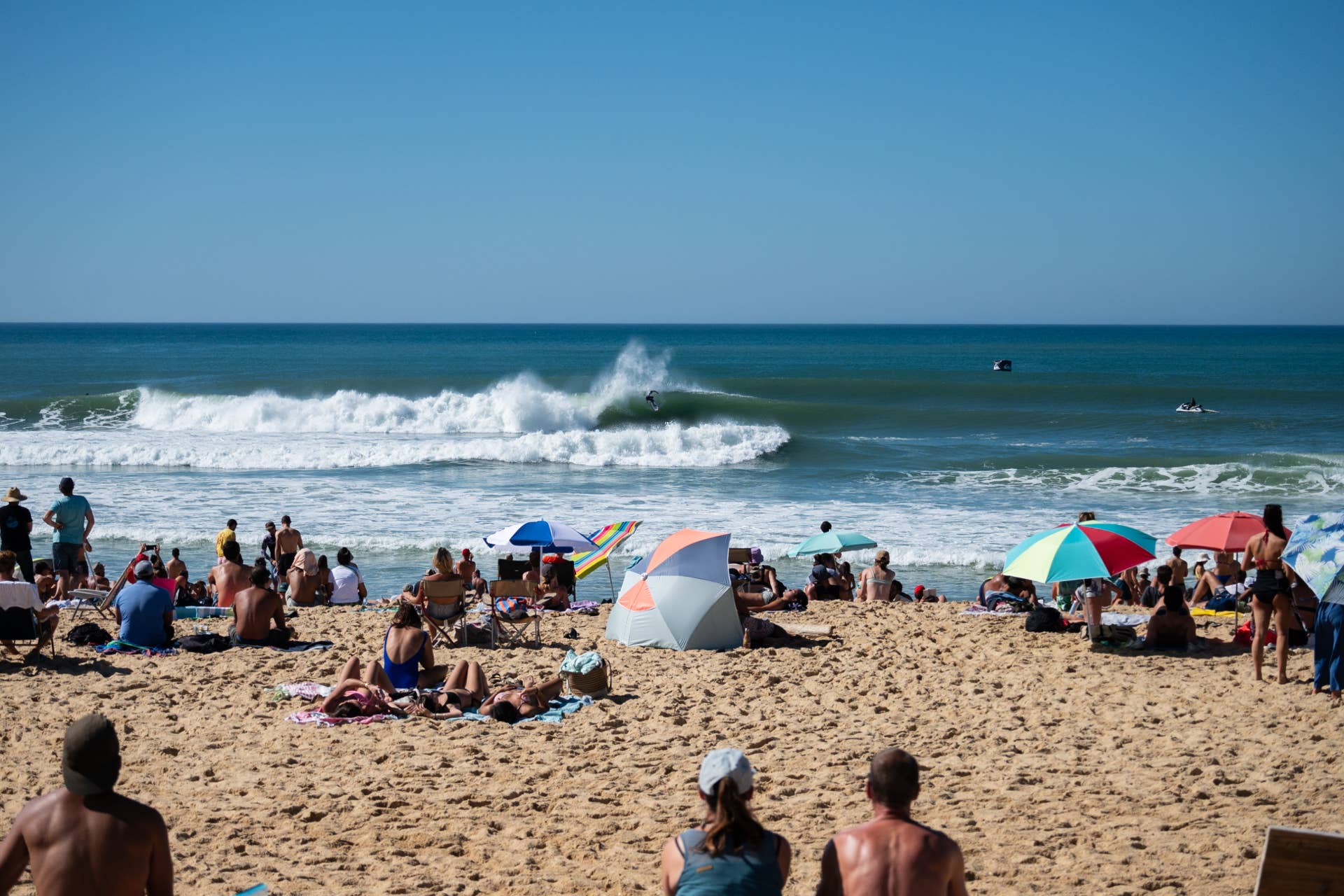
Early autumn is peak season for France’s and arguably Europe’s most consistent mile of waves. North Atlantic provides NW groundswell; sandbanks tend to be replenished, and the reliable offshore morning winds start arriving before the sea breeze kicks in.
Surf Forecast has clean (so offshore, or light winds only) waves are typically found 48% of the time in October, and it’s only too small to ride for 6% of the time, though even those days may still be OK for beginners and groms at times. Add the fact that the rip bowls handle onshore breezes and the numbers keep stacking in surfers’ favour. This is a conveyor belt of good times and great waves.
Nano Calvo /VW Pics/Universal Images Group via Getty Images
Peniche, Portugal
The North Atlantic delivers the same constant stream of swell to Portugal as it does to France, but it is met with more varied angles and vortices of coast: reef and beach, slabs and points. Peniche is a peninsula, with a north, south and west facing coasts, which adds to its all-rounder status. It’s flagstone; Supertubos, however, isn’t that consistent, needing a narrow set of swell and wind parameters. While you wait for those, somewhere on the Peninsula will have fun waves, whether its 20 foot and onshore or two-foot and clean. As an example, Praia do Baleal over the last 20 years registered swell above four feet 80% of the time, and above six feet almost 50% of the time. With protected corners for almost every wind direction, you’ll be getting in the water every day.

Peniche Center for Surf Research
Popoyo, Nicaragua
Surf-Forecast.com
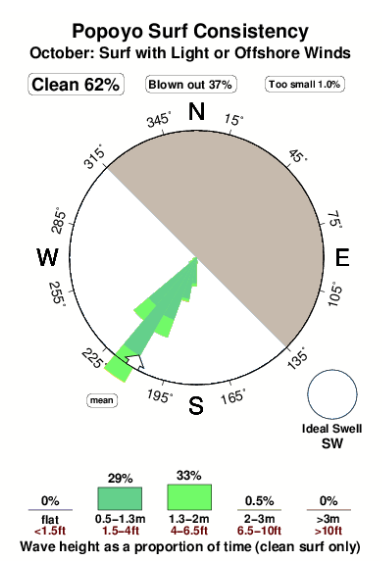
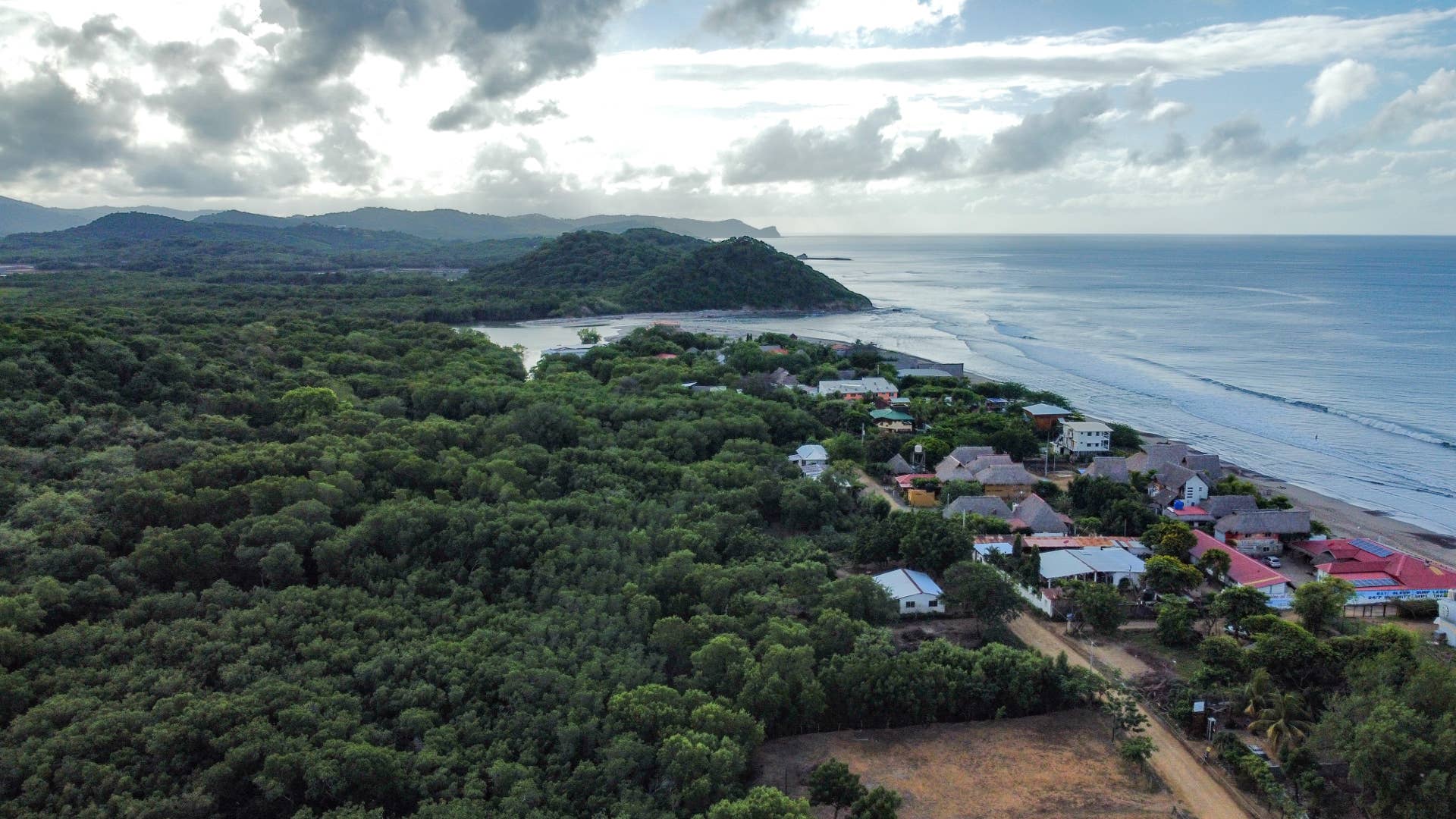
Nicaragua is known for its consistency of regular-sized swells and offshore winds, and a deep dive into 20-years of Popoyo Main Break’s stats proves the theory. In October, seen as the tail end of the prime season, the stats show clean, surfable waves 62% of the time. The wind stats are even more off the charts. Year-round, offshore easterly winds (clocked with mean direction 080 degrees) blew 78% of the time. That drops down a little through the fall months, but is still far higher than most locations on the planet. With a combination of fun waves and endless offshore that makes this part of the world truly unique and amazingly consistent. And unlike the first two, all surfing is done in boardshorts or bikinis.
Uluwatu, Indonesia
Surf-Forecast.com
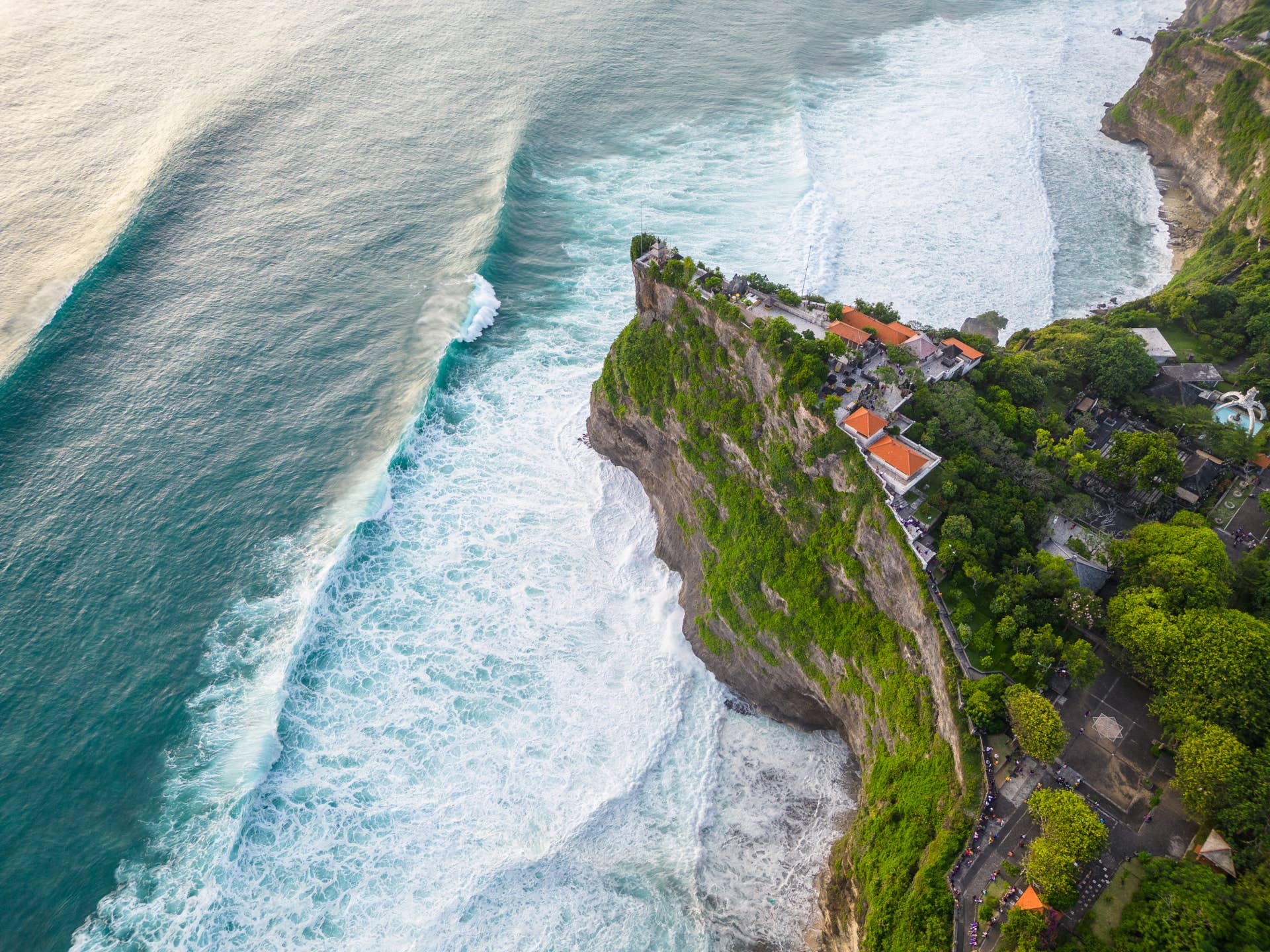
The very tail end of the dry season (through Oct), or shoulder, still delivers strong SE trade winds, with consistent Indian Ocean groundswell often roping down the limestone cliffs. You can group most of the archipelago in this, but Ulus remains one of the most open to all swells in the entire chain. Sure, peak season is through the roof; during August the offshore ratio hovers around a perfect 100%. Yet in October, often overlooked as past the dry season prime, the ratio of clean waves is still 95%, and the 20-year data shows there are waves bigger than 1.5 metres or 4 feet 90% of the time and almost all came from the optimal SW, or 220-degree direction. The numbers don’t lie. This joint never stops.
Didier Marti/Getty Images.