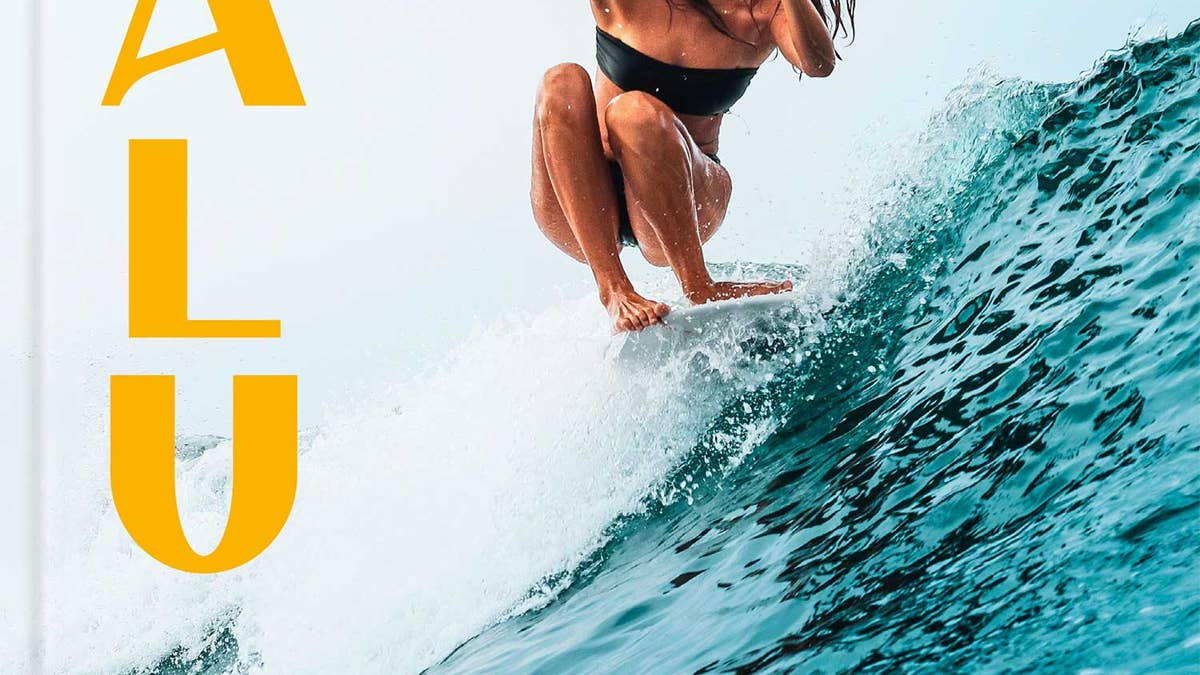
Surfing, or he‘e nalu (“wave sliding”) has only been called surfing for a century and change, and before that, what some of us now call a “sport” was wholly something else. “Nalu,” authored by Marie Alohalani Brown and Ian Lendler, looks back on the cultural reverence for surfing as far as modern-day humans and our records can fathom, and takes stock of where it all started and how it’s changed, which should offer us all pause.
Firstly, the ancient Hawaiians welcomed the fall, north-swell season with a feast and ensuing festivities lasting weeks, but not before the ocean itself was first fed. Specifically, the islanders of Niʻihau celebrated the arrival of ʻIkuā (“noisy/din/clamorous,” per “Nalu”), a tempestuous period in the fall that, roughly, coincides with November, bringing rain, wind, thunderstorms, and, yes, swell.
ʻIkuā began with a pāʻina (“feast”) on the beach, which was kicked off by prayers of an elder who would then send a man paddling beyond the break with a bundle of food as an offering. It was said that as the ocean dined, its swells abated, but after a short lull, it would show gratitude by sending the man back to the party ashore with a proper set. Once he made sure, it was party time—eating, singing, swimming, surfing, and so on.
These days, it’d be hard to argue that anticipation of a swell season doesn’t fall relatively flat of all that merriment. Unless you live in some farflung beach-hippie commune, chances are that you ring in the new by unceremoniously jumping online and receiving news with a Yew! or two if things are looking good, or a glowering at the pile of pixels serving as the magic eight ball before us.
On another front, women, in Hawai‘i anyhow, have always been included in surfing from as far back as collective memory serves. You don’t have to bop around the globe too far to learn that the female of our species is all too often left wanting for a fair shake in the lineup. And in those old lineups, sharing a wave was caring. Waves were meant to be shared. Try lecturing your local lineup about that finer point set forth by surfing’s pioneers next time you paddle out.
And, of course, back in the days of Hawaiian kings and queens of yore, entire villages were permitted, lo, encouraged, to abandon duties and sit atop the world. And what a world. But history is a complicated little bugger, and “Nalu” sprinkles in plenty of light, too. Just think that while royalty once claimed the best boards and waves for themselves, wider accessibility in the modern day has largely turned those tables. With a bit of cash and a ride, you can surf atop the very same fiberglass and foam that Kelly Slater and Italo Ferreira do, so long as you’re within shooting distance of a surf break. But then even those are popping up all over, and in the least likely of places these days.
A thousand years is a whole lot of history to cram into 304 pages, but authors Alohalani Brown and Lendler have done a splendid job of it, and, in the end, leave us with the hope that there’s still a modicum of aloha in each and every one of us, or something like that. A heavy-duty compendium of surf photography, art, and history, “Nalu” is well worth plunking front and center on the old tea table or sideboard.