The beginning of northern hemisphere’s summer is right around the corner. Astronomical summer officially kicks off from June 21st. With it, the great wave slow down for the top half of the globe.
This means, you either stick around home and make those summer swells work for you – after all a summer at home, under an unseasonal swell, can feel like magic. Or, you get out there. For the more travel-orientated surfer, it is probably time to plan a trip anyway, to make the most of the season in some remote surf zone.
There’s the usual suspects of where to go in June. You can check them in the story below. But for those seeking somewhere quieter this month, here’s a few other options.
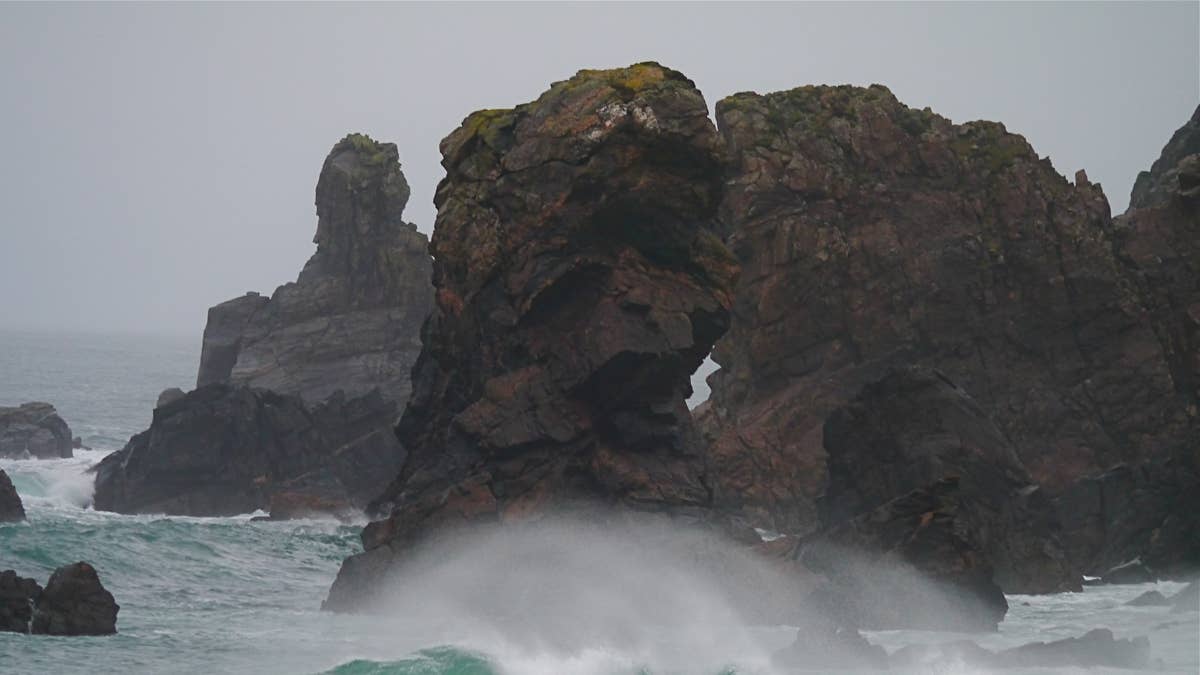
Scotland: Isle Of Lewis
Yeah, I know. Just spent some time talking about escaping the northern hemisphere summer. But, hear me out! The Isle of Lewis is located at the northern tip of the UK. Summer storms can still track northwards and squeeze underneath Iceland, sending swell this way. The island is also stunning, and packed with rich Scottish history – including a 5,000-year-old stone circle. It’s a bit of a wild card option, but watch for swells that track from Newfoundland over to the Old Continent. Go for the swell and then stay to soak up a quintessentialy Scottish experience (I’m not a travel agent, promise).
Angola: Africa’s Wave-Rich Nation
Way back when, writer Craig Jarvis posed an interesting question; Is Africa Surfing’s Last Great Frontier? It makes sense, some of the best discoveries in surfing have came out of the continent. While Angola is no stranger to surf travel – it is often missed off travel lists for a variety of reasons; travel costs are high, infrastructure is low and there’s a whole heap of logistical nunace. The reality is, Angola is home to a reeling, left hand pointbreak which can be fed and powered by deep Southern Atlantic swells. Given the southern hemisphere’s in the swell season in June, or coming into it, Angola’s a prime place to be. Watch for swells spinning up under South America and track they’re progress as they fan out over the Atlantic. These can make a bee-line for Angola and set off this wonderful surf zone.
Mozambique: You’ve Seen Spots Here More Than You Think
I don’t mean to wink, wink, nudge, nudge – but you have. Mozambique is generally an untapped surf frontier – and June is right at the start of its surf season. Sandwiched between Madagascar, Mozambique picks up swell from the Southern Atlantic Ocean. It could be possible to theoretically surf the same swell from Mozambique to Indonesia, if you had the logistical chops to get that going. There’s also the fact Mozambique’s coastline is about 2,500 kilometers. That’s a whole lot of beach to explore. Would advise to stick to the southern part of the country though, there are resorts down that way and established wildlife parks, which are generally safe for tourists. The northern part, around the Cabo Delgado province, can pose a bit of a risk.
Banyak Islands: The Other Option For Indonesia
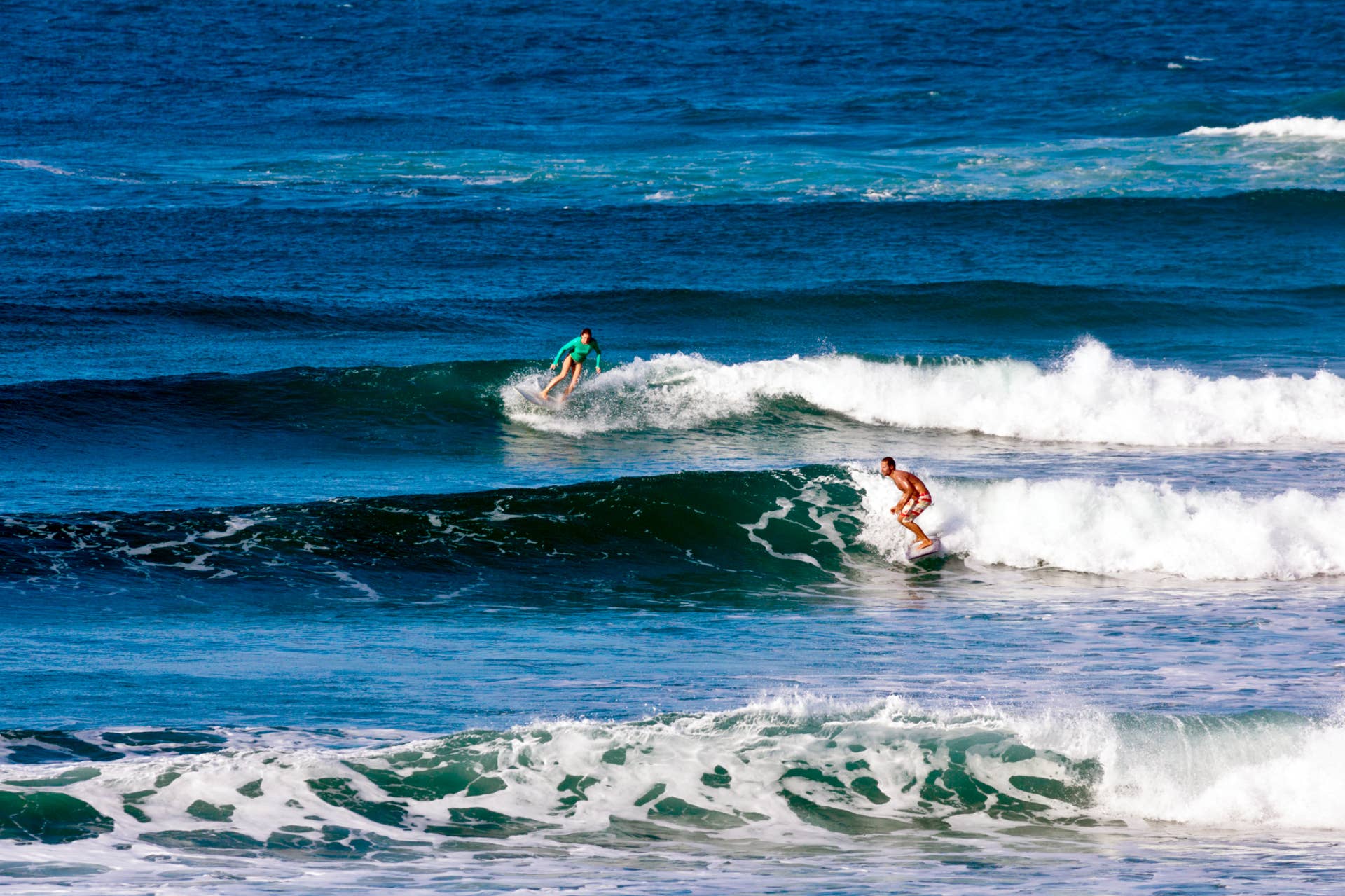
Oh the Banyaks. A glorious island chain wedged between Nias and Simeulue, off the western coast of Sumatra. The Banyak islands can be uncrowded compared to Indo’s more well-known counterparts. Going in June is right in the heart of the swell season for the archipelago. Peak season runs from April to October, this is when the Indian Ocean produces the most consistent swells. There’s more than a few world-class, consistent left hand reefbreaks in the Banyaks. There is also a famous right-hand point called Treasure Island. This is a throttling, potential back-breaker of a wave with an incredible amount of barrel sections. It doesn’t get any easier too, because Cobras, a Teahupo’o-esque left hander, is nearby too. Go if you want to push yourself in remote Indonesia.
The Falklands: The Adventurous Option
If you want the more extreme option for surfing in June, this is right up there. The Falklands are a pioneering cold-water wild ride from start to finish. The islands are in the South Atlantic’s swell path, meaning June is a wonderful time to go, given it’s in the swell window. Do not expect an easy time though. The water temperature sits at an average of 42-to-44 degrees F, which means, you’re going to want a robust 5mm wetsuit, or 6mm for that matter, with a hood, gloves and booties – and enough filled thermos’ to knock the chill off post session. What you get in the Falklands though is stunning scenery and a true connection to the outdoors – that statement’s kind of underplaying it. Don’t expect to surf alone, the wildlife has been known to be inquisitive and it’s often you’ll share the line-up with dolphins, orcas and even a penguin now and again – there’s about a million of them on the islands in the summer. As for the surf; expect to find mostly beach breaks more than anything else. In fact, one of the main beaches is called Surf Bay, which is right outside the capital city of Stanley. It’s a crescent-shaped bay on the eastern flank of the island, able to soak up passing swells.
Related: Inside Bulgaria’s Black Sea Surf Scene That Refuses to Quit